Day: May 2, 2025

XRP Investment Outlook Divides Top Analysts

This post was originally published on this site
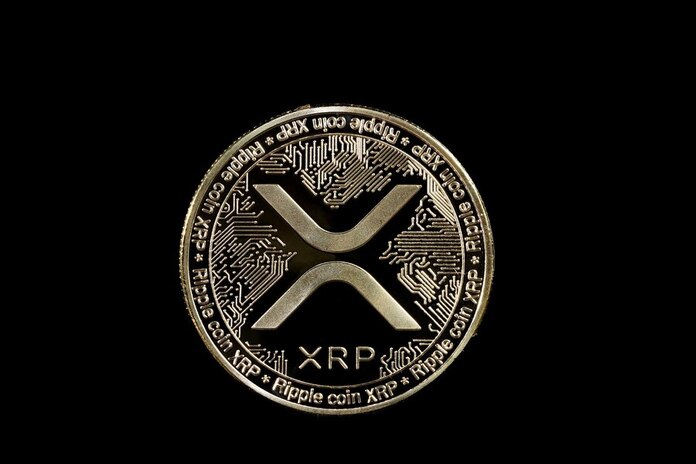
Ripple’s XRP has been through a whirlwind in recent months, and the XRP investment outlook is once again the subject of heated debate. After hovering near $0.50 in early November, XRP surged more than 550% to reach $3.29 by mid-January — a rally sparked by Donald Trump’s return to political power and optimism around a more crypto-friendly administration.

Yet, despite that explosive run, XRP has since pulled back by over 30%. So, is the party over, or is this just the beginning of a new chapter for Ripple’s digital asset?

Top TipRanks investor Anders Bylund, ranked among the top 1% of stock analysts, believes the XRP investment outlook is far from straightforward. While he acknowledges strong bullish sentiment, he also warns that potential investors should tread carefully.

The Bear Case: One-Off Rally, Competition, and Fading Hype

According to Bylund, the bullish wave that followed Trump’s victory may have been a “one-time emotional surge” rather than a sustainable upward trend. While the U.S. Securities and Exchange Commission (SEC) dropping its case against Ripple was a major win, the market may have already priced that in.

He also questions one of the major bullish talking points — the idea that a U.S. crypto reserve would boost XRP demand. “There’s no evidence that the U.S. Treasury will back XRP over Bitcoin (BTC), or even consider crypto in that kind of role anytime soon,” Bylund explains.

Then there’s the question of competition. Ethereum (CRYPTO:ETH) and Solana (CRYPTO:SOL) are fast gaining ground in the cross-border payments niche. Both platforms are expanding their reach, developing their ecosystems, and forming key financial partnerships — all of which could erode RippleNet’s early lead.

“With so many question marks and growing competition, it’s entirely possible that XRP faces a sharp correction,” Bylund warns.

The Bull Case: Real Utility, Bank Partnerships, and Long-Term Potential

But don’t count XRP out just yet. The bullish XRP investment outlook hinges on the project’s real-world utility — a critical differentiator in a market filled with speculative meme coins.

XRP isn’t just a token; it powers RippleNet, an enterprise-grade international payment network used by banks and financial institutions around the globe. “This isn’t Dogecoin,” Bylund says. “RippleNet is real. It’s functioning. It could become a trillion-dollar business someday.”

He also emphasizes that the end of the SEC lawsuit clears a major legal cloud over XRP and potentially sets a precedent for the broader crypto market. If institutional adoption accelerates, Ripple could be at the forefront of that wave.

Furthermore, XRP’s partnerships with major banks give it a leg up in building credibility, scalability, and adoption. While Ethereum and Solana are strong competitors, Ripple already has a foothold in international finance — something newer platforms still need to build.

Should You Buy XRP Now?

That’s the big question. “It really comes down to your risk appetite,” Bylund says. For investors who believe in Ripple’s vision and the long-term potential of crypto-powered cross-border payments, now might be an attractive entry point. For others, it may be wise to wait for more clarity.

“Ripple still sits below $2.50, so there’s room to grow — but also plenty of downside risk,” he cautions. “Understand your goals and make sure you’re comfortable with the volatility.”

The XRP investment outlook is ultimately a tale of two narratives: one grounded in real-world utility and long-term growth, the other clouded by uncertainty, legal hangovers, and fierce competition.

Final Thoughts

While Ripple’s future holds promise, an XRP investment requires a nuanced understanding of both its potential and its pitfalls. The coming months may bring more volatility, but also greater clarity. For now, investors may want to keep their eyes on RippleNet’s progress — and be ready to act when the time is right.

Featured Image: Freepik
Please See Disclaimer

Trump Crypto Investment Raises Eyebrows Worldwide

This post was originally published on this site

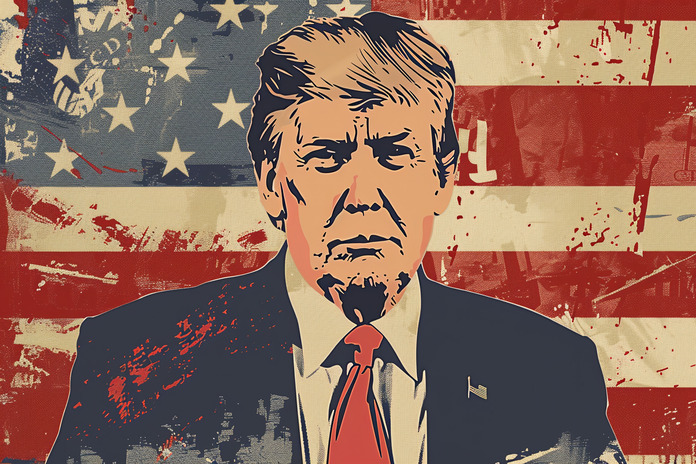
A new Trump crypto investment is making headlines following a $2 billion commitment from MGX, an Abu Dhabi–backed fund, to Binance Holdings Ltd. The investment will be conducted using a stablecoin called USD1, which was developed by World Liberty Financial — a company tied to former President Donald Trump’s family.

Announced by Eric Trump at the Token2049 conference in the UAE, the deal could net the Trump family hundreds of millions of dollars. The official use of the Trump-backed USD1 stablecoin introduces a formal financial link between World Liberty and Binance, one of the world’s largest cryptocurrency exchanges.

What Is USD1 and Why It Matters

Stablecoins like USD1 are digital assets that are typically pegged one-to-one with a fiat currency like the U.S. dollar. Backed by reserves of cash or equivalents such as Treasury bills or money market funds, they are designed to provide the price stability that other cryptocurrencies lack.

World Liberty Financial’s USD1 now serves as the exclusive medium for MGX’s $2 billion investment into Binance. This elevates the Trump family’s direct exposure to a major cryptocurrency exchange that only recently resolved regulatory issues with U.S. authorities.

Binance admitted to violating U.S. anti-money laundering regulations in 2023 and agreed to significant oversight. Now, the Trump crypto investment brings renewed attention to the company’s global operations and political entanglements.

Who’s Behind MGX and the Binance Deal?

MGX is led by Sheikh Tahnoon bin Zayed Al Nahyan, a powerful figure in the United Arab Emirates and brother to the country’s president. The fund has a history of geopolitical investments and was also involved in Trump’s proposed $100 billion artificial intelligence infrastructure venture, announced shortly after his inauguration.

The close relationships between foreign governments, Trump family business interests, and major digital platforms like Binance (along with their past regulatory infractions) have sparked serious ethical concerns.

Zach Witkoff, co-founder of World Liberty and son of White House envoy Steve Witkoff, stated during the announcement, “We thank MGX and Binance for their trust in us. It’s only the beginning.”

Political Fallout From the Trump Crypto Investment

Democratic Senator Elizabeth Warren (D-MA) was quick to condemn the arrangement, describing it as blatant corruption. “A shady fund backed by a foreign government just announced it will make a $2 billion deal using Donald Trump’s stablecoins,” Warren said in a public statement.

She also raised alarm about the GENIUS Act — a bill currently under review in the U.S. Senate that aims to regulate stablecoins. Critics argue that the law could unintentionally pave the way for U.S. presidents and their families to profit from financial instruments like stablecoins while in office.

What’s Next for Crypto and the Trump Brand?

Eric Trump has been outspoken about his father’s pro-crypto stance. “He wants to make America the crypto capital of the world,” he said in December. The Trump crypto investment adds to a growing narrative that the former president’s business dealings could play a pivotal role in shaping the future of the digital asset industry.

However, the involvement of a foreign sovereign wealth fund, a family-run stablecoin, and a previously penalized exchange like Binance (which is not publicly listed but closely watched) introduces serious questions about transparency and accountability.

As the crypto market matures and regulations tighten globally, the Trump crypto investment could serve as a case study in the convergence of politics, finance, and digital innovation — and the ethical gray zones in between.

Final Thoughts

With billions at stake and political pressure mounting, the Trump crypto investment is likely to remain under scrutiny. Investors, regulators, and voters alike will be watching closely as the implications of this high-profile alliance unfold in real time.

Interlace Debuts at Token2049 to Accelerate Web2-Web3 Integration Across MENA

This post was originally published on this site

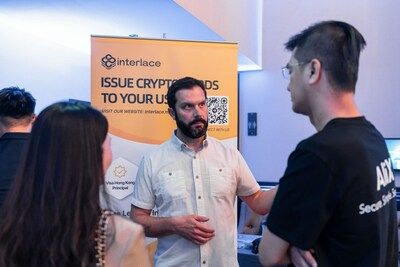
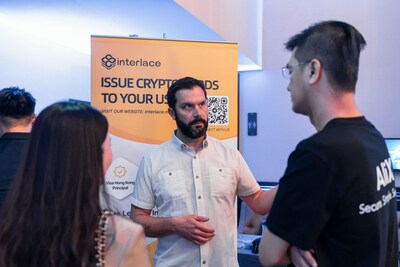
NEW YORK, May 2, 2025 /PRNewswire/ — Interlace, a pioneering financial innovation platform bridging traditional (Web2) and decentralized (Web3) ecosystems, is making a high-impact debut at Token2049, the world’s largest cryptocurrency conference. The event draws more than 15,000 global Web3 leaders, investors, developers, and policymakers to the heart of the Middle East’s burgeoning digital economy.

As the MENA region solidifies its status as a strategic launchpad for blockchain and digital finance, Interlace is leveraging Token2049 to highlight its global ambitions and regional integration efforts. Through a combination of keynote speeches, panel participation, side events, and interactive showcases, the company will spotlight its technological breakthroughs, regulatory strategies, and innovative Web3 solutions designed to advance financial inclusion and digital infrastructure.

Interlace Debuts at Token2049 to Accelerate Web2–Web3 Integration Across MENA

Token2049 has cemented its position as the premier global platform for blockchain dialogue and innovation. With MENA emerging as a magnet for crypto and fintech enterprises—thanks to its progressive regulatory framework and strong investor base—the event provides fertile ground for companies like Interlace to scale their operations in high-growth markets.

Driving Web3 Compliance and Strategy in the Middle East

Michael Wu, Founder and CEO of Interlace, was recently invited to speak at the event Mastering Web3 Finance and Compliance: Blockchain & Beyond, where he joined a panel discussion exploring regulatory frameworks and emerging trends in the Middle East’s Web3 ecosystem. Drawing on Interlace’s extensive global experience, Wu provided a deep dive into the region’s compliance landscape. He emphasized the UAE’s regulatory efficiency as a strategic advantage for Web3 companies, stating: “In MENA, it takes only a few months to obtain a Virtual Asset Service Provider (VASP) license, whereas the same process can take up to two years in Singapore. In the United States, conflicting federal and state regulations create persistent uncertainty for businesses.” This favorable regulatory environment, he noted, has enabled Interlace to accelerate its expansion into the Middle Eastern market.

Wu also outlined Interlace’s proactive compliance strategy, highlighting early regulatory investment as a foundation for building long-term competitive advantages. “We’ve secured key licenses—including MSB (Money Services Business), MSO (Money Service Operator), and VASP—across major markets such as Hong Kong, the U.S., and Europe,” he shared. He stressed the importance of integrating technology with compliance, citing the use of biometric solutions to streamline Know Your Customer (KYC) procedures. This approach not only ensures regulatory adherence but also enhances user accessibility. “Compliance is not a cost,” Wu asserted. “It’s the foundation of brand trust. For institutional partners and investors, regulatory compliance is non-negotiable—and critical for sustainable growth.”

Addressing the convergence of traditional finance and Web3, Wu presented Interlace’s multi-license model as a blueprint for cross-border innovation. “Our crypto payment card enables seamless interoperability between on-chain digital assets and off-chain consumer transactions,” he explained. “This functionality requires a high degree of cross-jurisdictional compliance.” Wu concluded by sharing that Interlace is actively expanding its footprint in the Middle East, bringing its regulatory expertise and compliance technology to support the region’s rapidly evolving blockchain infrastructure.

Unveiling Innovation at Premier Side Events

Beyond the main conference, Interlace will engage audiences at high-profile side events including 1001 Crypto Nights, Gilded Mirage, and the Hack Seasons Conferencei. These gatherings delve into themes such as the convergence of legacy finance with decentralized protocols and the region’s unique role in accelerating Web3 adoption.

Interlace will showcase its Card-as-a-Service (CaaS) API solutions tailored for the PayFi sector, as well as its custom-designed physical banking cards—which double as exclusive, limited-time gift cards. These cards demonstrate real-time “on-chain to off-chain” transaction capabilities, offering attendees a tangible experience of seamless Web3-enabled payments.

A Strategic Leap Toward Global and Regional Impact

Interlace’s presence at Token2049 is more than a product showcase—it represents a pivotal step in the company’s global expansion and MENA market penetration. As the company deepens its engagement in the region, it aims to collaborate with local institutions to build robust, inclusive digital financial ecosystems.

Wu reflected on the significance of the Middle East in shaping the future of blockchain finance: “The Middle East is rapidly evolving from an energy stronghold into a center of digital innovation. Its open regulatory approach and dynamic capital environment make it a strategic region for Web3 transformation. At Interlace, we’re committed to co-creating resilient financial infrastructure with local partners—enabling businesses and users to fully benefit from the potential of blockchain technology. We see MENA as a future global benchmark for Web3 applications.”

Photo – https://megastockalert.com/wp-content/uploads/2025/05/Interlace_Debuts_Token2049_Accelerate_Web2_Web3_Integration_Across_MENA.jpg

Cision View original content:https://www.prnewswire.co.uk/news-releases/interlace-debuts-at-token2049-to-accelerate-web2web3-integration-across-mena-302444943.html

Featured Image: depositphotos @ Violka08

Disclaimer

Compare