Day: September 3, 2025

Stablecoin Regulations: U.S. vs. EU Strategies

This post was originally published on this site

The passage of the Guiding and Establishing National Innovation for U.S. Stablecoins (GENIUS) Act on July 18 marked a turning point for stablecoin regulations in the United States. Signed by President Donald Trump, this law is among the first major cryptocurrency-focused legislations in America. While its scope is limited to stablecoins—digital assets pegged to currencies like the U.S. dollar or commodities like gold—it signals Washington’s entry into a space where Europe has already taken significant steps.


How the GENIUS Act Shapes U.S. Stablecoin Regulations

The GENIUS Act provides a regulatory framework for stablecoins, aiming to reduce risks of fraud, increase consumer protections, and legitimize the asset class in domestic markets. Before the law, stablecoins operated in a fragmented and uncertain environment, with oversight split between different regulators. Now, issuers must meet clearer compliance requirements.

Despite this progress, critics highlight limitations. The law largely supports privately issued stablecoins, rather than exploring alternatives such as a U.S. central bank digital currency (CBDC). This approach underscores America’s reliance on the private sector to innovate in digital finance—an approach that could create both opportunities and vulnerabilities.


Europe’s Comprehensive MiCA Framework

In contrast, the European Union (EU) has established the Markets in Crypto-Assets (MiCA) Regulation, which took effect on December 30, 2024. MiCA introduces uniform standards across member states, setting rules for digital asset issuers and service providers. Its goal is to protect investors, strengthen market integrity, and foster innovation without threatening financial stability.

According to Chatham House, MiCA is one of the most comprehensive frameworks globally. Beyond stablecoins, it also paves the way for innovations like a potential “digital euro.” A CBDC would provide an official, government-backed digital alternative to cash, directly competing with privately issued stablecoins.

European leaders, including European Central Bank President Christine Lagarde, have expressed skepticism about U.S.-backed stablecoins. Lagarde has warned that dollar-linked assets could undermine European monetary sovereignty, reinforcing her push for a digital euro as a “strategic priority.”


Key Differences in Stablecoin Regulations

The divergence between U.S. and EU approaches reveals deeper philosophical differences about the role of digital assets.

  • United States: Focuses on enabling private stablecoin issuers with regulatory guardrails under the GENIUS Act. The framework positions stablecoins as a potential geopolitical tool, particularly because many are tied to the U.S. dollar.

  • European Union: Prioritizes investor protections and financial stability under MiCA. European regulators are cautious of private tokens, favoring state-backed digital assets like a CBDC.

For investors, this split could mean more clarity in the U.S. but also increased tension internationally, especially if competing regulatory philosophies clash.


What Investors Should Consider

According to McKinsey & Company, stablecoins represent less than 1% of all global money transactions—around $30 billion. While small relative to traditional finance, the sector’s rapid growth and political implications make it one to watch.

In the short term, U.S. investors may benefit from the GENIUS Act’s consumer protections, which aim to reduce scams and improve transparency. However, those engaging in European markets must navigate stricter oversight under MiCA and prepare for the potential launch of the digital euro.

Analysts suggest a cautious approach: stick to regulated domestic stablecoin offerings while monitoring developments abroad. Until there is alignment between U.S. and EU stablecoin regulations, strategies may need to remain localized.


Bottom Line

The GENIUS Act represents progress for U.S. stablecoin regulations, but its focus on private issuers contrasts sharply with Europe’s comprehensive MiCA framework and push toward a digital euro. Investors must weigh these differences carefully, as regulatory divergence could influence both opportunities and risks in the global digital asset market.

For now, the best strategy may be to stay informed, monitor policy shifts, and adapt your crypto portfolio based on the evolving legal landscape.

Featured Image: Freepik
Please See Disclaimer

Trump Crypto Ventures Spark Profit and Scrutiny

This post was originally published on this site

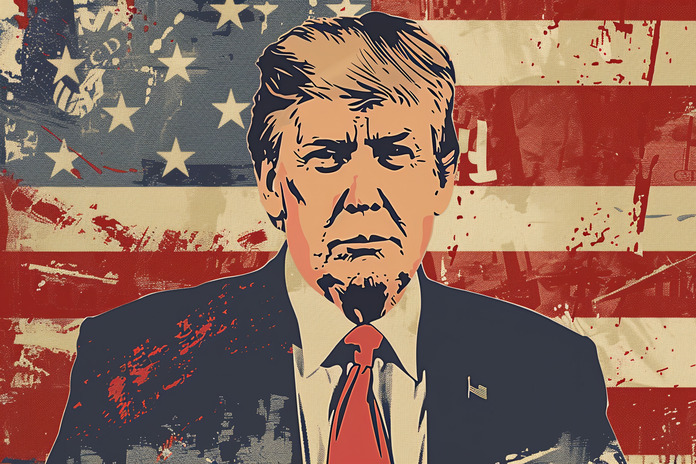
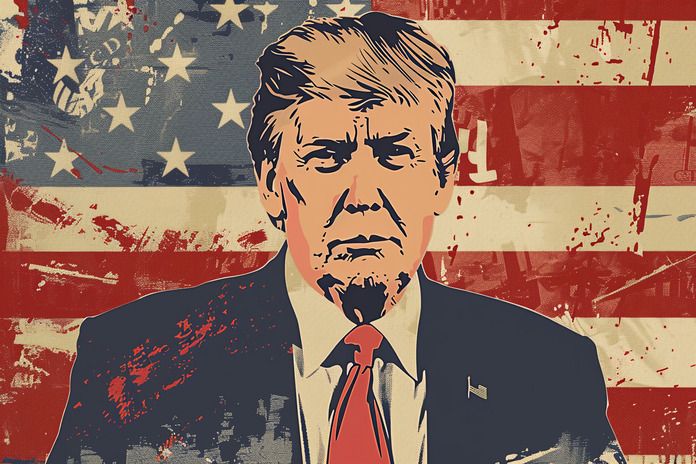
Former President Donald Trump has transformed from a crypto skeptic to one of the industry’s most high-profile supporters. His latest venture, World Liberty Financial, highlights how Trump crypto ventures are fueling both massive profits for his family and fierce political controversy.


A $5 Billion Windfall From World Liberty Financial

In July, Trump signed the GENIUS Act, the country’s first major standalone cryptocurrency bill, marking a dramatic shift in U.S. crypto policy. Just days later, Trump’s family reaped an estimated $5 billion on paper from the public debut of World Liberty Financial.

The new venture, co-founded by Trump and his sons, launched its own token, $WLFI, which opened at 32 cents before retreating to around 22 cents. Even though the Trumps are barred from selling their holdings immediately, the on-paper valuation underscores how Trump crypto ventures have quickly become a lucrative family enterprise.

This move builds on earlier ventures, including Trump-branded NFTs and a meme coin. Reports indicate the former president earned over $57 million from crypto-related sales last year alone.


From Crypto Skeptic to Crypto Advocate

Trump once dismissed cryptocurrency as a “scam.” Yet, his stance changed significantly during his re-election campaign, where he courted deep-pocketed crypto investors by promising to make the U.S. the “crypto capital of the world.”

Since returning to the White House, Trump has acted swiftly to deliver on that promise. He appointed Paul Atkins, a known crypto supporter, to lead the Securities and Exchange Commission (SEC). This marks a sharp contrast to the Biden administration, which pursued aggressive enforcement actions against crypto firms for fraud, securities violations, and money laundering.

Trump’s policy shift has coincided neatly with his family’s expanding crypto ventures, raising alarms about blurred lines between personal business and presidential duties.


Ethical and Legal Concerns

Critics argue that Trump crypto ventures present glaring conflicts of interest. By signing legislation favorable to crypto while simultaneously profiting from family-run projects, Trump is accused of intertwining public policy with private gain.

Senator Elizabeth Warren was blunt in her criticism, calling it “corruption, plain and simple.” Meanwhile, legal experts like Ross Delston, a former FDIC regulator, warn that allowing anyone—including foreign actors or individuals with criminal records—to invest in Trump’s token could create troubling national security risks.

Despite such concerns, the White House has defended Trump’s actions. Press Secretary Karoline Leavitt stated that neither the president nor his family has engaged—or will ever engage—in conflicts of interest. Still, watchdog groups argue that current regulations provide few guardrails to address this unprecedented overlap of political power and private crypto ventures.


What’s Next for Trump Crypto Ventures?

Although the World Liberty Financial token has faced a shaky market debut, the bigger picture suggests Trump crypto ventures are only beginning to scale. With regulatory agencies under crypto-friendly leadership and the GENIUS Act setting a favorable legal framework, Trump’s family enterprises could thrive in the coming years.

However, questions remain. Will relaxed oversight foster innovation, or will it open the door to fraud and abuse? Will Trump’s political and business interests become indistinguishable? For investors and voters alike, the answers could shape both the crypto industry’s future and the integrity of U.S. governance.


Bottom Line

Trump’s pivot from crypto critic to crypto mogul has been swift and profitable. The $5 billion on-paper gain from World Liberty Financial shows just how lucrative Trump crypto ventures have become. But as profits mount, so do concerns about conflicts of interest and the potential erosion of regulatory safeguards.

For now, the success of Trump’s crypto projects reflects a broader reality: cryptocurrency is no longer just a financial asset—it’s also a political tool, with the power to enrich, influence, and disrupt.

Featured Image:  Freepik © hoaixuanboss

Please See Disclaimer

Bybit CEO Ben Zhou Strengthens Indonesia Focus at Coinfest Asia 2025 and Co-Hosts Strategic Event with Tether to Explore the Future of Crypto in Southeast Asia

This post was originally published on this site

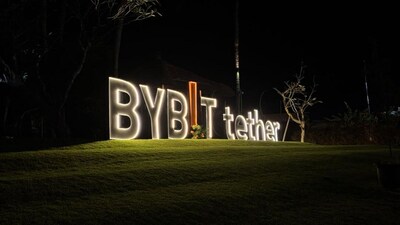
DUBAI, UAE, Sept. 3, 2025 /CNW/ — Bybit, the world’s second-largest cryptocurrency exchange by trading volume, strengthened its presence in Southeast Asia at Coinfest Asia 2025, with Ben Zhou, Co-founder and CEO at Bybit taking center stage in a fireside chat and co-hosting an exclusive partner event with Tether APAC. The events underscored Bybit’s commitment to driving crypto adoption in Indonesia, one of the world’s most dynamic digital asset markets.

Ben Zhou at Coinfest Asia: Fireside Insights on Adoption and the Future of Crypto

Ben Zhou at Coinfest Asia: Fireside Insights on Adoption and the Future of Crypto

Zhou joined Steven Suhadi, Co-founder of Coinfest Asia and founder of Indonesia Crypto Network, for a fireside chat that explored Indonesia’s pivotal role in global crypto adoption.

Zhou praised Indonesia’s rapid embrace of digital assets, particularly among the youth, describing the country as one of the most dynamic and promising crypto markets in the world. He emphasized that regulatory clarity is key to sustaining this momentum.

Indonesia shows how education, youth participation, and progressive regulation can combine to build a thriving crypto ecosystem. Bybit is here to support this journey with secure, transparent, and innovative trading experiences,” said Zhou.

The discussion also touched on the growing trend of real-world asset (RWA) tokenization. Total Value Locked (TVL) in tokenized assets reached $65 billion in 2025, marking a massive increase from previous years. Zhou highlighted that real-world application has become a new focus for Bybit, moving beyond pure speculation toward meaningful use cases such as asset tokenization and ecosystem building. While optimistic about the potential, Zhou cautioned that successful implementation will require time and careful planning, underscoring the need to align innovation with regulatory clarity.

Bybit x Tether: After Sunset Side Event in Bali

Alongside the main conference, Bybit partnered with Tether APAC to host “After Sunset”, an exclusive gathering, which brought together Bybit VIPs, Indonesian regulatory representatives, and key opinion leaders (KOLs), for an evening of dialogue on advancing adoption in Indonesia.

During his opening remarks, Zhou reflected on Indonesia’s rapid growth in crypto participation and the government’s supportive role:

“Regulation is not a hurdle, but a foundation for sustainable growth. The financial regulators have provided much-needed clarity and infrastructure for the industry.  This model sets an example for the global crypto economy,” Zhou stated.

Joining Zhou, Eddy Christian Ng, Tether‘s APAC representative, highlighted the role of stablecoins in enabling access and financial inclusivity in emerging markets. He also reaffirmed Tether‘s close collaboration with Bybit in advancing digital assets education and adoption.

Moderated by Robert Harianto, the evening featured a panel discussion titled “The Bull Market and The Future of Crypto in Asia: What’s Coming from Bybit and Tether“, with Zhou, Ng, and Lawrence Samantha, Co-founder and CEO of NOBI Group, which is also Bybit’s local partner in Indonesia. The fireside chat explored themes of trust, education, and partnership as cornerstones of Indonesia’s crypto future.

Bybit CEO Ben Zhou Strengthens Indonesia Focus at Coinfest Asia 2025 and Co-Hosts Strategic Event with Tether to Explore the Future of Crypto in Southeast Asia

#Bybit / #TheCryptoArk / #IMakeIt

About Bybit

Bybit is the world’s second-largest cryptocurrency exchange by trading volume, serving a global community of over 70 million users. Founded in 2018, Bybit is redefining openness in the decentralized world by creating a simpler, open and equal ecosystem for everyone. With a strong focus on Web3, Bybit partners strategically with leading blockchain protocols to provide robust infrastructure and drive on-chain innovation. Renowned for its secure custody, diverse marketplaces, intuitive user experience, and advanced blockchain tools, Bybit bridges the gap between TradFi and DeFi, empowering builders, creators, and enthusiasts to unlock the full potential of Web3. Discover the future of decentralized finance at Bybit.com.

For more details about Bybit, please visit Bybit Press
For media inquiries, please contact: media@bybit.com
For updates, please follow: Bybit’s Communities and Social Media

Discord | Facebook | Instagram | LinkedIn | Reddit | Telegram | TikTok | X | Youtube


Bybit Logo (PRNewsfoto/Bybit)

Cision View original content to download multimedia:https://www.prnewswire.com/news-releases/bybit-ceo-ben-zhou-strengthens-indonesia-focus-at-coinfest-asia-2025-and-co-hosts-strategic-event-with-tether-to-explore-the-future-of-crypto-in-southeast-asia-302543691.html

SOURCE Bybit

Featured Image: depositphotos @ peshkova

Disclaimer

Compare