




Author: Stephanie Bedard-Chateauneuf

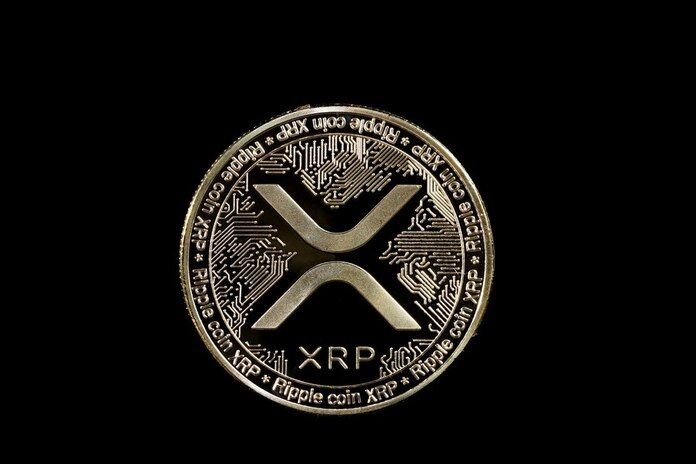
XRP Price Recovery: 3 Bullish Signals Amid Volatility

This post was originally published on this site

Despite geopolitical tensions rattling global markets, XRP price recovery may be closer than it seems. Last week, Ripple’s XRP (XRP) slid roughly 8% amid escalating Middle East conflict, as traders reacted to U.S. airstrikes in Iran. But even with macro uncertainty weighing on sentiment, several key indicators—technical, on-chain, and institutional—are flashing bullish signals for XRP.

Here are three reasons analysts believe a recovery in XRP’s price is not only possible but increasingly likely.

1. XRP Is Bouncing From a Historical Support Zone

As of June 23, XRP had already rebounded more than 7.5% from its local low of $1.90, recovering toward the $2.05 range. This bounce occurred at a strong technical support confluence that previously triggered a major rally.

The support zone includes a multi-week ascending trendline and the 50-week exponential moving average (EMA), both aligning in the $1.80–$2.00 range. In past market cycles, XRP has shown resilience when testing this band, including a notable 65% surge earlier this year.

Analysts are closely watching for a breakout above the upper boundary of XRP’s symmetrical triangle pattern. If confirmed, this could pave the way for a rally to $3.71—an all-time high that would signal a full XRP price recovery and renewed investor confidence.

2. No Panic Selling From XRP Whales

Market dips often prompt fear-driven exits, especially among retail investors. But data from blockchain analytics firm Glassnode suggests the opposite is happening with XRP. The number of wallet addresses holding at least 10,000 XRP tokens—typically seen as “whales” or high-net-worth individuals—has remained not just stable, but rising.

As of June 20, there were over 295,000 addresses with balances exceeding 10,000 XRP. That’s a record high, even as the token briefly dropped below $2 during geopolitical turbulence.

This behavior implies whales are not fleeing the market. On the contrary, they appear to be accumulating, signaling long-term conviction in XRP’s fundamentals and recovery potential.

This trend has historically preceded price rallies, reinforcing the case for a possible reversal in the current downturn.

3. Institutions Are Still Buying XRP

Retail conviction is one thing—but institutional flows offer another powerful indicator of future price action. According to CoinShares, XRP-focused investment products saw $2.7 million in weekly inflows during the recent sell-off. Month-to-date, institutional flows into XRP stand at $10.5 million.

That puts XRP among the top-performing altcoins in terms of capital inflows during a risk-off period, alongside Solana (SOL) and Sui (SUI). For comparison, many other digital assets—including Bitcoin (BTC) and Ethereum (ETH)—saw outflows during the same stretch.

These inflows suggest that larger financial players view the XRP price recovery as both probable and potentially lucrative. With Ripple continuing to expand its global payments partnerships and regulatory clarity improving in some jurisdictions, institutional sentiment appears to be turning more favorable.

What to Watch Next for XRP

While XRP has shown promising signs of bottoming out, the broader macro environment remains a wildcard. Continued tensions in the Middle East could introduce volatility, and a stronger dollar or tighter monetary policy from the Federal Reserve could weigh on crypto markets in general.

Still, the combination of technical support, whale accumulation, and institutional flows makes a compelling case for a potential XRP price recovery. If momentum continues, traders could see XRP push back toward $3 or higher in the coming months.

The Bottom Line

While the past week saw XRP under pressure, the outlook may not be as bleak as it seemed. The presence of solid support levels, committed large holders, and increasing institutional interest signals that XRP could rebound strongly if broader market conditions stabilize.

As always, investors should monitor global news, regulatory updates, and on-chain metrics—but for now, XRP price recovery appears more possible than not.

Iran Bitcoin Sales: Fueling Conflict or Overblown Fear?

This post was originally published on this site

The role of Iran Bitcoin sales in funding its military ambitions has once again come under scrutiny amid rising geopolitical tensions. A controversial claim by investor Mike Alfred alleges that Iran is rapidly offloading Bitcoin—allegedly obtained through cyberattacks—to finance its missile programs and nuclear infrastructure. While dramatic, the accuracy and implications of this claim are far from straightforward.

Bitcoin and the Nobitex Hack

The allegations surfaced shortly after a high-profile hack of Nobitex, Iran’s largest cryptocurrency exchange, on June 18, 2025. The attackers stole over $90 million in digital assets, including Bitcoin (BTC), Ethereum (ETH), Dogecoin (DOGE), and other altcoins. The group responsible, Predatory Sparrow, is widely believed to have ties to Israel and claimed responsibility as a political act rather than a financial heist.

In a surprising move, the hackers didn’t liquidate the stolen funds. Instead, they transferred the assets into burner wallets—wallets without private keys—effectively destroying the crypto and rendering it inaccessible. Their message was clear: the goal was to disrupt Iran’s crypto-based financial infrastructure, not profit.

This directly contradicts Alfred’s assertion that Iran is selling stolen crypto to fund warfare. In fact, the Nobitex hack represented a significant financial blow to Iran, not a gain.

How Much Bitcoin Does Iran Actually Have?

While the Nobitex hack doesn’t support the narrative, Iran’s broader engagement with cryptocurrencies is well-documented. Facing heavy U.S. sanctions, the Iranian regime has turned to Bitcoin mining and crypto transactions as a workaround for accessing global financial systems.

Iran’s mining operations are believed to generate upwards of $1 billion in Bitcoin annually. However, the exact size of the Iranian government’s crypto reserves remains unclear. The decentralized nature of blockchain makes it difficult to trace national holdings unless wallets are publicly identified.

Even if Iran were to dump a significant portion of its BTC holdings, the global impact on the crypto market would likely be limited. With daily trading volumes for Bitcoin routinely exceeding $20 billion, the market has the depth to absorb such transactions with minimal price disruption.

War and Crypto as a Financial Escape Hatch

Following Iran’s recent missile attacks on U.S. military installations in Qatar, analysts are watching closely for financial movements. Historically, military escalation has prompted a surge in crypto activity out of Iran. This includes both institutional actors and civilians seeking to shield themselves from sanctions, inflation, and a weakening national currency.

Platforms like Nobitex have played a crucial role in this financial escape. Billions of dollars in crypto transactions have passed through Iranian exchanges, largely out of view from international regulators. In times of crisis, Bitcoin becomes both a tool for evasion and a hedge for average Iranians.

This dynamic has prompted concern among Western governments, who view such activity as a breach of international sanctions. As tensions rise, scrutiny of exchanges and wallet activity linked to Iran will likely increase, potentially resulting in further restrictions or legal action.

The Market Impact of Iran Bitcoin Sales

If Iran chooses to liquidate a portion of its crypto reserves, the immediate market effect would probably be temporary volatility rather than a crash. With an estimated $1 billion in annual crypto-based revenue, Iran’s sales would represent a small fraction of global trading volumes.

However, the real concern is not market movement—it’s the regulatory and geopolitical fallout. Nations and exchanges could face pressure to identify and block Iranian-linked transactions. Sanctions enforcement could expand to cover crypto infrastructure, affecting how global exchanges operate.

Bottom Line: More Hype Than Harm?

While Iran Bitcoin sales are a valid area of concern, claims that they will crash the crypto market or suddenly fund a new arms race are exaggerated. The bigger issue is the geopolitical attention it draws. Western governments may clamp down harder on crypto channels that allow rogue states to circumvent sanctions.

For now, the blockchain community—and global financial markets—would do well to separate verifiable fact from speculative fear. The focus should remain on transparency, compliance, and the role of crypto in an increasingly complex world stage.

Featured Image: Freepik

Please See Disclaimer

South Korea Crypto Crisis Fuels Youth Shift

This post was originally published on this site

South Korea is witnessing a massive surge in cryptocurrency adoption, but not for the reasons many might expect. The real driver behind the boom isn’t a belief in blockchain innovation or faith in Web3—it’s the South Korea crypto crisis that’s gripping an entire generation of young people struggling to survive in a broken economic landscape.

With over 16 million registered users on local crypto exchanges—more than 30% of the population—crypto has become a lifeline for the youth, not just an investment tool.

Desperation, Not Innovation, Drives Crypto Use

At German Blockchain & AI Week, Eli Ilha Yune, Chief Product Officer at quantum machine learning startup Anzaetek, shed light on the grim reality behind South Korea’s crypto explosion. Speaking on the “Asia Insights” panel, Yune dismissed the idea that crypto’s popularity in South Korea stems from the same ideological or technological enthusiasm found in the West.

According to Yune, young Koreans are not flocking to digital assets out of belief in blockchain’s future—they’re doing it because they have no better option. “They’re seeking quick money,” he explained, attributing the crypto boom to financial despair rather than innovation.

The Role of Political Change and Policy Shifts

The South Korea crypto crisis is unfolding amid significant political transition. Newly elected President Lee Jae-myung has begun implementing campaign promises to integrate digital assets into the country’s financial system.

Plans are underway to issue a Korean won-based stablecoin, a move that South Korea’s central bank does not oppose. These efforts aim to legitimize crypto at the institutional level, but they also risk encouraging even more speculative behavior among desperate retail investors.

The Economic Reality Behind the Crypto Craze

South Korea’s youth face staggering economic hurdles. According to the 2025 Korea Wealth Report, the so-called “young rich” hold three times more crypto than their older wealthy counterparts. Moreover, 34% of the country’s high-net-worth individuals already have exposure to crypto assets.

But these figures don’t tell the full story. Yune emphasized that most young investors are not well-versed in the underlying technology or market mechanics of crypto. Instead, they’re turning to it as a last resort in a country where traditional paths to wealth—like home ownership or stock market gains—are increasingly out of reach.

Youth Unemployment and the Housing Crisis

Unemployment among South Koreans aged 15 to 29 currently stands at 6.6%, more than double the national average of 2.7%. This means that even highly educated individuals are struggling to find stable employment.

Meanwhile, the housing market has become an insurmountable barrier. The median price of an apartment in Seoul has doubled over the last five years, reaching over 1 billion won (about $689,000). The price-to-income ratio in the city now sits at 15.2, among the highest in the world.

“They cannot buy houses anymore, or even the rent is too high for them,” Yune said. “So their only option is to do crypto.”

The Risks of a Speculative Lifeline

Yune’s comments paint a troubling picture. Many young Koreans entering crypto do so without understanding blockchain, smart contracts, or even basic trading strategies. For them, cryptocurrency isn’t a revolutionary technology—it’s a lottery ticket.

This disconnect underscores the deeper South Korea crypto crisis—one rooted in systemic economic inequality, lack of opportunity, and a broken housing market.

While political moves like institutional crypto integration and stablecoin initiatives may stabilize the system in the long run, they do little to address the desperation driving so many young Koreans into volatile and risky financial territory today.

As the world watches South Korea’s crypto boom, it’s crucial to remember: this is not just a tech story. It’s a human one—fueled by real-world pain, disillusionment, and the search for a way out. Without structural reforms in employment and housing, crypto may remain less a solution and more a symptom of systemic crisis.

If policymakers fail to address these root causes, the country risks anchoring its future economic hopes to volatile digital assets—a fragile foundation for any society. The South Korea crypto crisis is a wake-up call, not just for Seoul, but for any nation grappling with generational inequality and economic stagnation.

Featured Image: Freepik

Please See Disclaimer

Trump Crypto Investment Makes Toymaker Surge

This post was originally published on this site

A forgotten toy company just exploded onto the crypto scene, and it’s all thanks to a Trump crypto investment that turned $5 million into $127 million overnight. SRM Entertainment (NASDAQ:SRM), once known for selling Smurf-themed tumblers and plush koalas, is now making headlines as one of the hottest speculative crypto stocks of the year.

How did this happen? In short: a surprise pivot into cryptocurrency, a rebrand as “Tron Inc.,” and the involvement of political and crypto heavyweights including Justin Sun and Trump family associates.

A Forgotten Toy Brand Reborn as Tron Inc.

SRM Entertainment flew under the radar until early 2025. Then, in a bold move, the company announced it would pivot into the cryptocurrency space while still maintaining its toy business. The company also announced that controversial crypto entrepreneur Justin Sun would join as an adviser.

Investors went wild.

SRM shares soared from under $2 to over $9 in less than a week, eventually stabilizing above $7. That meteoric rise was fueled by speculation, a celebrity crypto connection, and what many saw as the ultimate convergence play: physical toys backed by digital tokens.

But the real story is what happened behind the scenes—and who profited the most.

Dominari Holdings and the Trump Crypto Connection

The biggest winner in this Trump crypto investment story was American Ventures LLC Series III SRM, a fund managed by Dominari Holdings. Dominari is no stranger to controversial moves. Originally a biotech firm, it reinvented itself as an investment bank just three years ago—and has since built a portfolio of crypto-adjacent companies.

Trump family ties run deep. Both Donald Trump Jr. and Eric Trump are listed as advisers to Dominari. While they weren’t directly involved in the SRM deal, the optics have drawn attention. Dominari’s headquarters? Trump Tower.

In May 2025, Dominari helped American Ventures buy $5 million worth of SRM shares. When the stock exploded this week, that investment was suddenly worth $127 million. Add to that millions in warrants given to Soo Yu—who both manages the fund and is married to Dominari’s president—and you get one of the most profitable Trump crypto investments of the year.

Justin Sun Adds Fuel to the Fire

Justin Sun, founder of the TRON blockchain and a well-known figure in the crypto world, also played a key role in driving SRM’s transformation. Although he’s still facing legal trouble from a paused SEC lawsuit, his involvement gave the pivot credibility in the eyes of many investors.

According to SRM CEO Richard Miller, Sun is “an impact player in this space.” His presence as an adviser adds both hype and controversy to the rebranded Tron Inc. project.

Under this new vision, SRM plans to continue producing licensed toys while building a reserve of digital tokens tied to Sun’s TRON ecosystem—a hybrid business model that blurs the lines between tangible goods and speculative assets.

The Bigger Picture: Crypto, Politics, and Profit

This Trump crypto investment story is just one chapter in a larger trend. Dominari Holdings has already launched other crypto ventures, including World Liberty Financial and American Bitcoin—companies that also boast Trump-connected leadership.

The success of SRM shows how politically connected firms are finding new ways to cash in on the volatile but lucrative crypto space. It’s no longer just about tokens or blockchain. It’s about image, influence, and timing.

While SRM’s long-term viability remains uncertain, its overnight transformation from a dusty toymaker to a $100M+ crypto darling proves one thing: in today’s markets, the right mix of politics, celebrity, and crypto buzz can create incredible—and incredibly risky—opportunities.

Featured Image: Freepik

Please See Disclaimer

IP Crypto Price Drops as Story Hype Fades

This post was originally published on this site

IP crypto price continues to fall after early hype wears off, with weak adoption, macro pressure, and profit-taking weighing on Story Protocol’s token.

Why Is the IP Crypto Price Falling Today?

After a promising launch and an explosive price rally, the IP crypto price tied to the Story Protocol is facing a sharp and sustained decline. On June 19, the token fell another 8.74%, deepening a month-long drawdown of more than 35%.

From its all-time high of $7.33 just weeks after launch, IP has now lost about 65% of its value, trading under $2.60. What began as a breakout altcoin success story is quickly turning into a cautionary tale of early hype fading amid weak fundamentals.

Broader Market Conditions Are Weighing on Altcoins

The entire crypto market has experienced turbulence over the past month, largely due to macroeconomic uncertainty and geopolitical tensions, particularly the ongoing Iran-Israel conflict. While Bitcoin (BTC) and Ethereum (ETH) have held relatively steady—down 1.2% and up 0.49% respectively during the same period—smaller altcoins like IP have taken a bigger hit.

According to CoinMarketCap, altcoin dominance (excluding ETH) has plummeted in June, falling from 27.2% to just 2.6%. Meanwhile, Bitcoin’s market dominance has risen, signaling a clear flight to safety among crypto investors.

With risk appetite shrinking, speculative tokens are among the first to be sold off. The IP crypto price, once buoyed by launch euphoria, is now a victim of that shift.

The Launch Hype Has Worn Off

It’s not unusual for new tokens to see massive gains in the days following a debut, especially if backed by major investors. Story Protocol launched with strong support from notable names like a16z and Samsung Next, raising $140 million ahead of its token release.

Its core mission—to bring the $61 billion intellectual property market on-chain—struck a chord with the Web3 community. The protocol allows creators to register content, tokenize it, and set custom licensing rules, opening the door to decentralized monetization models.

But early excitement isn’t translating into sustained use.

Weak Fundamentals Undermine Price Support

Despite bold promises, on-chain data paints a worrying picture. According to DeFiLlama, the Story Protocol’s total value locked (TVL) has dropped to just $11.25 million. Daily chain fees and app revenue are negligible, signaling minimal user engagement and a sluggish ecosystem.

Without significant traction in its user base or applications, the IP crypto price is left exposed to volatility and investor exits.

Simply put, if people aren’t using the platform, the token has limited utility—and that’s reflected in its recent performance.

What Needs to Happen for IP to Recover?

For the IP crypto price to stabilize or regain upward momentum, Story Protocol must attract real adoption. This means onboarding more creators, developers, and consumers who actively engage with the platform’s tools for content registration and licensing.

It will also require better integration into existing content ecosystems, partnerships with media or publishing companies, and clearer value propositions for token holders.

Until those developments materialize, the token will likely remain under pressure, especially in a market that’s leaning risk-off.

Final Thoughts: Story Protocol’s Road Ahead

The fall in IP crypto price is a clear reminder that investor hype alone cannot sustain a token’s value. While Story Protocol’s mission is ambitious and well-funded, it faces the same fundamental challenge as most blockchain projects: real-world adoption.

If the team can deliver on its vision of bringing intellectual property on-chain—and build a thriving user base around it—there’s potential for a turnaround. But for now, the market is demanding more than just a flashy launch and big-name backing.

As investors shift their focus toward utility and execution, the Story behind IP will need more than good intentions to earn back market trust.

Featured Image: Freepik

Please See Disclaimer

Trump Crypto Project Faces Silent Retreat

This post was originally published on this site

The Trump crypto project is losing steam as the family quietly reduces its stake in World Liberty Financial, raising fresh doubts about its long-term vision.

Trump’s Crypto Move: A Quiet Exit Signals Uncertainty

World Liberty Financial, the flashy crypto venture tied to the Trump family, is raising eyebrows again—but not for the usual reasons. A new Forbes report published June 19 reveals that the Trump family has reduced its ownership stake from 60% to 40%, marking a sharp but stealthy shift in the controversial Trump crypto project.

The most striking part? The move happened without a press release, public filing, or even a whisper from company insiders. That’s unusual for a project that loudly promised a “financial revolution” and claimed to offer a government-friendly alternative to decentralized cryptocurrencies.

The entity overseeing this project, DT Marks DEFI LLC, is reportedly controlled by former President Donald Trump and his sons. The LLC had already sold part of its position earlier in 2025, but this latest move suggests the family is continuing to quietly distance itself from the project.

World Liberty Financial: Big Promises, Bigger Questions

Billed as a hybrid between a stablecoin and a digital dollar, World Liberty Financial launched earlier this year amid heavy marketing and strong retail demand. The company promised a regulated, centralized platform to make crypto safe for average Americans—a message that resonated with conservative-leaning investors frustrated with the perceived chaos of decentralized finance.

Despite these promises, the Trump crypto project has been dogged by concerns over transparency, regulatory scrutiny, and the lack of a clear roadmap.

Initial excitement around the token’s debut drove prices higher, but the lack of ongoing communication from leadership—especially from the Trump family—has started to erode investor confidence.

A Silent Exit Amid a Stablecoin Boom

The timing of the family’s stake reduction is curious. Stablecoins are enjoying renewed interest, with demand climbing in both U.S. and international markets. Several pro-crypto bills are advancing in Congress, and many believe the U.S. will eventually issue its own central bank digital currency (CBDC).

So why is the Trump crypto project stepping back now?

Some analysts suggest the family may be trying to lock in profits while avoiding future legal or political risks. Given Trump’s renewed campaign for the 2024 election cycle and increasing scrutiny from regulators, reducing exposure to a controversial crypto venture may be a strategic move.

Others point to the possibility that the project’s internal performance has fallen short of expectations, with fewer institutional partnerships and slower user adoption than originally forecasted.

Trump and Crypto: A Complicated History

This isn’t the first time Trump’s crypto ties have drawn attention. While in office, he famously called Bitcoin a scam and dismissed decentralized currencies. Yet in recent years, Trump has become more open to crypto, particularly if it’s centralized, regulated, and aligned with U.S. interests.

World Liberty Financial was pitched as a way to achieve just that—a uniquely “American” approach to crypto. The family’s deep involvement in the early stages added a layer of political weight and legitimacy, at least among supporters.

But with the recent reduction in ownership and growing silence from the project’s frontmen, the future of this Trump crypto project seems uncertain at best.

Final Thoughts: Should Investors Be Worried?

For retail investors still holding World Liberty tokens, the Trump family’s quiet exit may be a red flag. While a 40% stake still leaves them with significant influence, the direction of the project—and its long-term viability—are now in question.

The broader crypto market remains resilient, with major players like Coinbase (NASDAQ:COIN) and Tesla (NASDAQ:TSLA) continuing to engage with digital assets. However, speculative projects without clear backing or transparency—like this one—could face rough waters ahead.

If the Trump crypto project is indeed losing its founding champions, investors may need to reassess its future potential, especially as the political landscape heats up ahead of the 2024 election.

Featured Image: Freepik

Please See Disclaimer

Stablecoin Bill Boosts Coinbase Stock 16%

This post was originally published on this site

The crypto market roared back to life this week as a key development in stablecoin regulation triggered a bullish wave across digital asset stocks. Leading the charge was Coinbase Global Inc. (NASDAQ:COIN), whose stock spiked as much as 17% to $297.44 on Wednesday following the U.S. Senate’s passage of the GENIUS Act — a landmark bill focused on the oversight of stablecoins.

While the rally slightly cooled by the session’s close, Coinbase still locked in a 16% gain, pushing its year-to-date performance into the green with a 20% overall increase. The momentum didn’t stop there: Circle, the issuer of the USDC stablecoin and a recent IPO on the New York Stock Exchange, jumped 34% during the same session.

Why Stablecoin Regulation Matters

The GENIUS Act, passed Tuesday, aims to create a clear legal framework for stablecoin regulation, addressing long-standing concerns over transparency, consumer protection, and systemic risk. Stablecoins are designed to maintain a 1:1 peg with fiat currencies like the U.S. dollar, typically backed by cash or short-term U.S. Treasurys.

The clarity provided by the new legislation is expected to encourage broader adoption, reduce regulatory uncertainty, and allow more firms to issue compliant stablecoins.

For Coinbase, this bill is particularly significant. While crypto trading remains its largest revenue stream, stablecoins rank second. Coinbase co-founded the USDC stablecoin with Circle and receives 50% of Circle’s residual revenue generated from the assets backing USDC’s circulation. That exposure makes Coinbase a major stakeholder in the evolution of stablecoin infrastructure.

Circle’s IPO Signals Wall Street’s Growing Confidence

Circle’s recent IPO made headlines as one of 2025’s largest tech market debuts. On its first trading day, Circle stock soared by a massive 238%, reflecting strong investor confidence in the future of regulated digital dollars. Although the hype has since cooled, shares are still up 120% over the past month — including a fresh 20% spike tied directly to the Senate’s decision.

Now publicly listed, Circle joins Coinbase as a major Wall Street-facing player with high exposure to stablecoins, creating a new level of legitimacy for the sector.

Meanwhile, President Biden’s administration has shown cautious optimism toward stablecoins. His family has ties to World Liberty Financial, which launched a USD-backed stablecoin (USD1) earlier this year. This adds political tailwinds to the sector’s rising profile.

JPMorgan’s Entry Confirms Stablecoin Legitimacy

Even long-time skeptics of crypto are now entering the space. JPMorgan Chase & Co. (NYSE:JPM), whose CEO Jamie Dimon has previously called cryptocurrencies “worthless,” is now testing JPMD, a blockchain-based token designed to settle institutional transactions. While not a retail stablecoin, JPMD mirrors the functionality of stablecoins and marks a shift in institutional thinking.

With top banks like JPMorgan and key players like Coinbase and Circle deepening their involvement, stablecoin regulation may soon be a cornerstone of the broader financial system.

What’s Next for Investors?

Investors eyeing the crypto space should take note: stablecoin regulation is no longer speculative — it’s policy. That changes the risk-reward profile for major crypto-linked stocks like Coinbase and Circle.

As the GENIUS Act moves to implementation, more traditional financial players are likely to follow JPMorgan’s lead, either by launching their own digital tokens or partnering with existing stablecoin providers.

The long-awaited regulatory clarity, combined with booming IPO momentum and bipartisan support, suggests that stablecoins may serve as the gateway for broader crypto adoption — both on Wall Street and Main Street.

With Coinbase (NASDAQ:COIN), Circle, and JPMorgan (NYSE:JPM) all showing significant moves tied to stablecoin news, it’s clear that this niche is evolving into a foundational part of the digital economy. For investors, keeping an eye on the stablecoin space could offer a strong edge in understanding the next wave of crypto growth.

Featured Image: Freepik

Please See Disclaimer

Crypto Scam Busted: $300K Frozen in New York

This post was originally published on this site

New York State officials have cracked down on a major crypto scam, freezing $300,000 and recovering another $140,000 in stolen cryptocurrency. The fraudulent scheme, which targeted Russian-speaking individuals through fake social media ads, has resulted in over $1 million in losses—mostly in Brooklyn.

According to a joint statement released Wednesday by the Brooklyn District Attorney’s office, the New York State Attorney General’s office, and the Department of Financial Services (DFS), the investigation has so far identified more than 300 victims.

“This crypto investment scam preyed on vulnerable people looking to invest wisely,” said New York Attorney General Letitia James. “Our offices acted swiftly to freeze assets and protect New Yorkers. I urge everyone to be cautious when seeing crypto ads online.”

Social Media Platforms Fuel Crypto Fraud

The scammers behind this crypto investment scam used “Black Hat” advertisements on platforms like Facebook, primarily in Russian. These ads led users to fake investment websites that claimed to be licensed with New York’s BitLicense—a requirement for legitimate cryptocurrency services in the state.

Meta Platforms Inc. (NASDAQ:META), the parent company of Facebook, responded by removing over 700 misleading ads after being notified by authorities. However, the impact had already been severe, with widespread financial losses.

This incident is yet another example of how fraudsters exploit social media to distribute fake offers. The promise of high returns in crypto—paired with convincing visual designs and false endorsements—makes scams like this particularly effective.

Fake Licenses and AI-Powered Deception

One notable aspect of this crypto investment scam was the scammers’ use of a counterfeit claim: that their platform held a BitLicense, New York’s regulatory framework for crypto businesses. This added a false layer of credibility, convincing many users the investment was legitimate.

Furthermore, experts warn that artificial intelligence is playing a growing role in such scams. AI can now create deepfake videos, clone voices, and generate fake testimonials—making it harder than ever to distinguish legitimate investments from fraudulent ones.

According to a 2024 report from blockchain analytics firm Chainalysis, roughly $51 billion in illicit digital asset transactions were recorded this year alone. While ransomware-related payments dropped by 35%, crypto scams—especially those powered by AI—remain a growing threat.

Ripple and the Ripple Effect: A Broader Trend

This isn’t the first time crypto scammers have used social media to impersonate major players. Ripple CEO Brad Garlinghouse has been a frequent target, with scammers creating fake XRP airdrops using his likeness and name. Ripple’s own legal battles with the U.S. Securities and Exchange Commission (SEC) have kept it in the spotlight, making it a magnet for fraudulent impersonation.

Ripple Labs Inc. (XRP), while not publicly traded like traditional stocks, remains one of the most followed cryptocurrencies. Its visibility makes it an easy target for social engineering tactics.

How to Avoid a Crypto Investment Scam

To avoid becoming a victim of a crypto investment scam, here are a few key tips:

  • Verify licenses: Any platform claiming to be registered should be verifiable via government or regulatory websites. 
  • Avoid social media ads: Scammers often buy ad space to look legitimate—don’t click investment links from unknown sources. 
  • Use trusted exchanges: Stick to well-known platforms like Coinbase (NASDAQ:COIN) or Kraken, and avoid unfamiliar sites. 
  • Be skeptical of guarantees: No legitimate investment offers guaranteed returns in crypto. 

As crypto adoption continues to rise, so does the risk of falling prey to scams. Vigilance and education remain the best forms of defense.

If you believe you’ve been targeted by a crypto scam, report the incident to your local financial authority or the FTC immediately. Staying informed, asking questions, and verifying credentials can go a long way. As crypto markets evolve, so should our caution—and our commitment to protecting personal and financial security.

Featured Image: Freepik

Please See Disclaimer

Top 4 Best Cheap Crypto to Buy Right Now

This post was originally published on this site

The search for the best cheap crypto to buy has never been more intense. With Bitcoin dominance surging and over $33 billion in stablecoin liquidity waiting on the sidelines, savvy investors are turning their attention to promising crypto presales backed by solid fundamentals and strong tokenomics.

According to Ian Balina, CEO of Token Metrics, the best way to identify potential 100x tokens is to focus on quality, tokenomics, and valuation. In that spirit, here are four standout projects that combine utility, early-stage access, and strong investor demand.

1. Solaxy (SOLX): A Layer-2 Solution Scaling Solana

Solaxy is rapidly gaining recognition as the best cheap crypto to buy for investors seeking real infrastructure value. Built as a Layer-2 protocol on the Solana blockchain, Solaxy tackles congestion issues head-on with rollup technology that processes transactions off-chain and settles them in batches.

Solana’s network (SOL-USD) often slows during major events—but Solaxy’s testnet has already shown it can scale throughput dramatically. With $53.8 million raised in its presale, investor interest is clearly strong.

The SOLX token offers up to 78% APY for stakers and will power an entire ecosystem, including its own decentralized exchange (DEX) and token launchpad. With a product already in testing and deep integration into Solana’s architecture, Solaxy is not just a presale—it’s a foundational piece of crypto’s next evolution.

2. BTC Bull Token ($BTCBULL): Meme Hype with Bitcoin Utility

BTC Bull Token is redefining what a meme coin can be. Unlike most hype-driven tokens, this one ties its value directly to Bitcoin (CRYPTO:BTC). As BTC reaches key price milestones like $125K or $250K, BTC Bull Token will distribute Bitcoin airdrops and implement token burns to reduce supply.

That structure creates a powerful feedback loop of demand, reward, and scarcity. The project has already raised $7.2 million and staking offers a 56% APY—great for those looking for passive income.

With exchange listings coming soon and a model aligned with Bitcoin’s upward trajectory, BTC Bull Token stands out as one of the best cheap cryptos to buy for bullish BTC believers.

3. Best Wallet ($BEST): All-in-One Crypto Super App

Best Wallet is emerging as a decentralized answer to central bank digital currencies. This privacy-first, non-custodial wallet supports 60+ blockchains and offers integrated swaps, staking, and portfolio tracking.

The upcoming Best Card, a crypto debit card, will allow seamless spending of digital assets. The real opportunity lies in the $BEST token, currently in presale. It unlocks lower platform fees, governance voting rights, and early access to new launches.

At just $0.025195 now and a projected year-end value of $0.072, the upside is clear. With real utility and growing user demand, Best Wallet could become a staple of the Web3 ecosystem.

4. SUBBD ($SUBBD): A New Model for the Creator Economy

SUBBD is targeting one of the most lucrative niches in tech: the creator economy. By allowing influencers to mint their own tokens and build monetized fan communities, SUBBD bypasses centralized platforms like YouTube and Patreon.

The $SUBBD token fuels this new ecosystem. Fans use it to access exclusive content, vote on creator decisions, and participate in private groups. That engagement creates built-in demand, and because the product is already live, it offers real-world functionality—not just theoretical value.

SUBBD’s low-volatility model and growing user base make it one of the best cheap cryptos to buy for those looking to tap into a booming creator-led movement.

Why These Are the Best Cheap Cryptos to Buy Now

What makes these projects stand out isn’t just hype—it’s their alignment with real-world use cases, investor incentives, and macro trends. Solaxy tackles scalability, BTC Bull Token rewards Bitcoin loyalty, Best Wallet protects privacy, and SUBBD empowers creators.

In a market defined by rising institutional interest and expanding liquidity, these presale tokens offer something rare: early access to next-generation solutions at deep discounts.

For investors seeking the best cheap crypto to buy today, these four names could represent 100x opportunities—not just speculative trades.
Coinbase Pushes for SEC Approval on Tokenized Equities

This post was originally published on this site

Coinbase (NASDAQ:COIN) is making a bold move that could reshape the future of stock trading in the United States. The crypto exchange is seeking approval from the U.S. Securities and Exchange Commission (SEC) to offer tokenized equities—digital representations of stocks issued and traded on the blockchain.

If the SEC greenlights the request, Coinbase would be able to launch a platform where users can trade these tokenized versions of traditional equities. This would put Coinbase in direct competition with major brokerages like Robinhood (NASDAQ:HOOD) and Charles Schwab (NYSE:SCHW) while marking a major leap in the integration of traditional finance with blockchain innovation.

What Are Tokenized Equities?

Tokenized equities are essentially digital tokens that represent ownership in a company’s stock. Rather than holding shares in the conventional way through a brokerage, investors would hold blockchain-based tokens that track the value and performance of the underlying equity.

This format offers a range of potential benefits:

  • Lower trading costs 
  • Near-instant settlement 
  • 24/7 access to markets 

According to Coinbase Chief Legal Officer Paul Grewal, this technology represents a “huge priority” for the company’s future strategy.

Regulatory Roadblocks and the SEC’s Role

Despite the potential, tokenized equities currently face regulatory hurdles in the U.S. Under current law, companies offering securities must be registered broker-dealers. Coinbase’s bid to offer these new products hinges on receiving either a no-action letter or exemptive relief from the SEC.

A no-action letter would indicate that the SEC staff does not intend to pursue enforcement if Coinbase launches its tokenized equity offering. However, Grewal did not confirm whether Coinbase has officially submitted such a request.

Coinbase’s move comes after a rocky regulatory past. The SEC, under the Biden administration, sued the company in 2023 for allegedly operating as an unregistered securities exchange. That lawsuit was dropped this year under the Trump administration, which has since adopted a more crypto-friendly stance. The administration has also formed a crypto task force focused on developing clearer rules for digital assets.

Competition and the Global Race

Coinbase is not alone in this space. Rival exchange Kraken recently announced it would offer tokenized U.S. equities—branded as xStocks—in select markets outside the U.S. Other firms globally are experimenting with similar models, particularly in jurisdictions with more defined digital asset frameworks.

Still, the U.S. market remains the holy grail. If Coinbase successfully navigates regulatory challenges, it would be the first to bring tokenized equities to American investors at scale—potentially unlocking a huge new business segment.

Key Challenges for Tokenized Equity Adoption

While the technology is promising, critics argue that several key barriers remain:

  • Lack of liquidity in secondary markets 
  • Unclear global standards for tokenized assets 
  • Investor protection and transparency concerns 

A recent report by the World Economic Forum highlighted these challenges, warning that despite the hype, tokenized stocks may face a slow path to mainstream adoption without unified regulatory standards and robust trading infrastructure.

The Bigger Picture: Politics, Crypto, and Wall Street

The timing of Coinbase’s push is not accidental. Former President Donald Trump has made crypto a central talking point of his 2024 campaign, attracting donations from industry leaders and promising regulatory reform. Bitcoin (BTC-USD) and other digital assets have surged in response to this friendlier political climate.

By aligning itself with this momentum, Coinbase is seizing a strategic opportunity to expand beyond crypto trading and into tokenized financial services. If successful, the tokenized equities move could transform Coinbase from a crypto exchange into a full-service financial platform built on blockchain rails.

Final Thoughts: A Tipping Point for Tokenized Finance?

The introduction of tokenized equities in the U.S. would be a game-changer, offering investors new ways to engage with traditional markets through blockchain technology. Whether the SEC grants Coinbase the necessary approvals remains to be seen, but the implications are massive.

If approved, Coinbase could become the first major U.S. platform to offer blockchain-based stock trading—blurring the lines between Wall Street and Web3.

Featured Image: Freepik

Please See Disclaimer

Compare