Author: Stephanie Bedard-Chateauneuf

SEC’s Ruling on Meme Coins Sparks New Debate

This post was originally published on this site
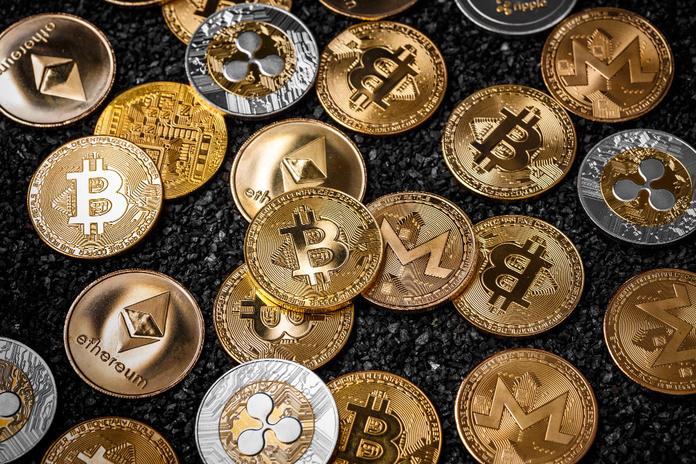
On February 27, 2025, the U.S. Securities and Exchange Commission (SEC) announced that meme coins—cryptocurrencies inspired by internet memes and trends—are not considered securities. This ruling marks a pivotal moment in crypto regulation, following a series of dismissed cases against digital asset companies.

While this decision provides some clarity for crypto traders and developers, it also raises concerns about the long-term consequences of meme coin regulation. Critics argue that legitimizing meme coins may encourage reckless speculation, further undermining the credibility of the cryptocurrency market.

Meme Coins: From Internet Joke to Market Risk

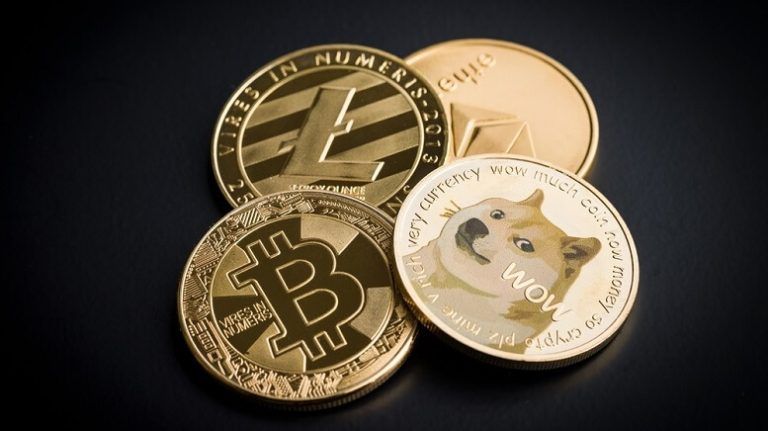
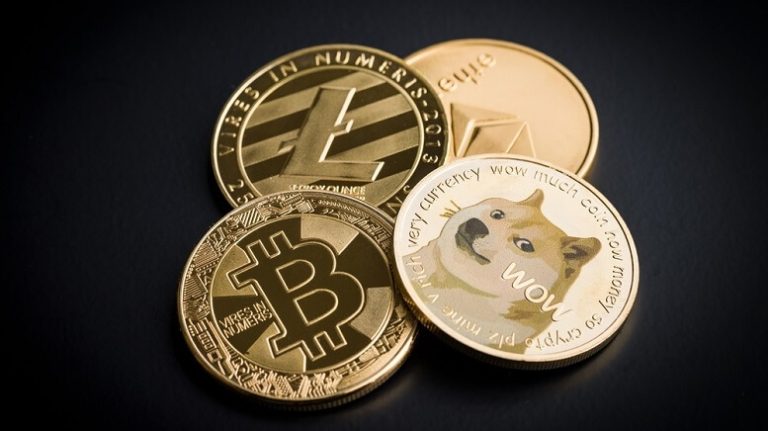
Meme coins first gained attention with the launch of Dogecoin (CRYPTO:DOGE) in 2013. Originally created as a parody of Bitcoin, Dogecoin unexpectedly became a widely traded asset. Inspired by its success, countless other meme coins followed, many with little more than viral appeal as their primary selling point.

However, the major issue with meme coins remains their lack of inherent utility. Unlike Bitcoin (CRYPTO:BTC) or Ethereum (CRYPTO:ETH), which have defined use cases, meme coins function largely as speculative assets. Their prices are driven by hype, celebrity endorsements, and social media trends rather than fundamental value.

Meme Coin Regulation: A Double-Edged Sword

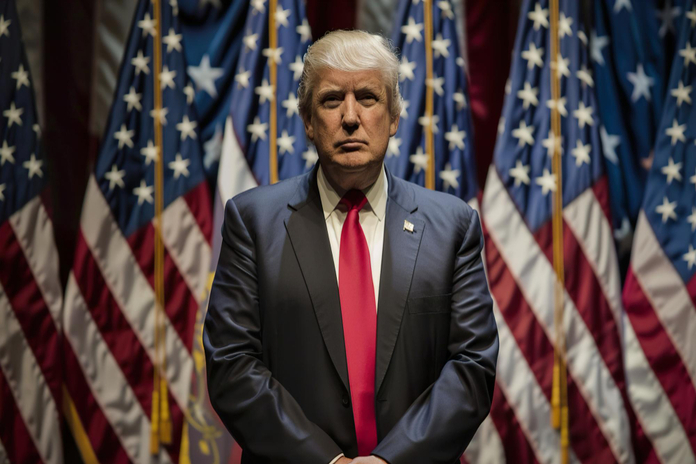
The SEC’s decision not to classify meme coins as securities may embolden new projects with even weaker foundations. In recent months, controversial launches like Donald Trump’s $TRUMP coin, $MELANIA, and Binance founder Changpeng Zhao’s “Broccoli” meme coin have fueled concerns about potential fraud and investor losses.

These projects often follow a familiar pattern: massive price surges fueled by viral marketing, only to collapse once initial hype fades. Critics argue that without stricter meme coin regulation, these speculative bubbles could become more frequent, leading to increased volatility and financial risk for retail investors.

The Future of Meme Coin Regulation

Despite the SEC’s ruling, discussions around meme coin regulation are far from over. Some lawmakers and financial analysts have called for further scrutiny, warning that unchecked speculation in this sector could damage investor confidence in legitimate cryptocurrencies.

As the crypto industry continues to evolve, the challenge remains balancing innovation with investor protection. Whether the SEC revisits its stance in the future will likely depend on how meme coins impact broader financial markets in the coming years.

Investor Caution in the Meme Coin Market

With the SEC stepping back from strict regulation, investors now bear greater responsibility for navigating the risks associated with meme coins. While some traders may see short-term gains, history has shown that meme coin prices are highly unstable. The dramatic rise and fall of Shiba Inu (CRYPTO:SHIB) in 2021, for example, demonstrated how speculative assets can skyrocket before losing most of their value within months.

Financial experts caution against investing heavily in meme coins, especially for those unfamiliar with the volatility of the crypto market. Unlike traditional investments, meme coins often lack transparency regarding their development teams and long-term roadmaps. Scams and rug pulls—where developers abandon a project after collecting investor funds—are rampant, making due diligence crucial.

Could Meme Coins Undermine the Crypto Industry?

While meme coins continue to attract attention, they also pose a potential reputational risk to the broader crypto industry. Established digital assets like Bitcoin (CRYPTO:BTC) and Ethereum (CRYPTO:ETH) have spent years building legitimacy, attracting institutional investment and real-world applications. However, the explosion of meme coins—many of which rely on hype rather than substance—could create skepticism among regulators, investors, and traditional financial institutions.

If the trend continues unchecked, meme coin speculation could overshadow the more serious advancements within blockchain technology. Instead of focusing on decentralized finance (DeFi), smart contracts, and other innovations, the crypto space risks becoming associated with get-rich-quick schemes and financial instability.

Final Thoughts: What’s Next for Meme Coin Regulation?

For now, meme coins remain in legal limbo—free from SEC oversight but still subject to scrutiny from investors and financial watchdogs. While this might fuel further growth in the short term, it also increases the likelihood of market manipulation and large-scale losses.

As more governments and financial institutions examine the role of cryptocurrencies, future regulation may target meme coins more directly, particularly if their impact on retail investors becomes more severe. Until then, the best defense against the risks of meme coins is education, caution, and a critical approach to investment opportunities in the ever-evolving world of crypto.

Featured Image:  Freepik © grvstudio

Please see disclaimer

Bitcoin Price Prediction: Crash and Rebound Expected

This post was originally published on this site

Bitcoin’s volatility continues to dominate market discussions, with analysts offering diverse forecasts on its next move. This week, Bitcoin price prediction models suggest an upcoming drop followed by a sharp rebound, driven by technical patterns and market forces.

After briefly entering a bear market and bottoming at $82,177, Bitcoin (BTC) has recovered slightly, trading around $86,200 following strong earnings from Nvidia (NASDAQ:NVDA). However, an astrology-based crypto analyst warns that Bitcoin’s decline isn’t over yet and may continue until March 13 or 14, aligning with the upcoming Lunar Eclipse.

Bitcoin’s Lunar Eclipse Crash Theory

A well-known but anonymous crypto analyst has predicted that Bitcoin and altcoins will experience further losses in the coming weeks. His analysis is based on astrological cycles, particularly Saturn conjunction, which is historically linked to market contractions and economic slowdowns.

According to his Bitcoin price prediction, the ongoing sell-off will intensify before March 13, when the Lunar Eclipse occurs. In astrology, such celestial events are associated with emotional shifts and market reversals, suggesting Bitcoin could rebound shortly after the eclipse.

Fundamental Factors Driving Bitcoin’s Decline

Beyond astrology, several fundamental market factors support the bearish outlook for Bitcoin:

  1. Bitcoin ETF Outflows

Recent data from SoSoValue shows that spot Bitcoin ETFs have suffered consecutive outflows over the past seven days, indicating that American investors are stepping back. This lack of institutional demand adds selling pressure on BTC.

  1. U.S. Tariff Uncertainty

Political uncertainty could also weigh on Bitcoin. Former U.S. President Donald Trump has hinted at the possibility of new tariffs on imports, creating additional market volatility. Earlier this month, Bitcoin’s price dropped sharply when he announced tariffs on Mexican and Canadian goods.

Technical Indicators Point to More Downside

  1. Bearish Candlestick Patterns

Bitcoin’s price chart has formed a Three Dark Crows pattern, a classic bearish reversal signal indicating a potential continuation of the downtrend. The current rebound might be a bull trap, luring buyers before another drop.

  1. Ichimoku Cloud Breakdown

BTC has also moved below the Ichimoku Cloud, a sign of strong downward momentum. This suggests the market sentiment remains bearish, reinforcing the possibility of a deeper correction.

  1. Double Top Formation

A double top pattern has emerged, with a neckline at $89,107. The price has already broken below this key support level, and if the pattern completes, Bitcoin could drop 18% from this point, potentially reaching $73,613—its March 2024 high.

Bitcoin Price Outlook: When Will BTC Rebound?

Despite these bearish signals, many analysts believe Bitcoin will recover in the long run. If the astrology-based Bitcoin price prediction holds true, a reversal around mid-March could set the stage for another bull run.

Key factors to watch for a Bitcoin rebound include:

✅ Institutional buyers re-entering the market after ETF outflows stabilize.

✅ A decrease in macroeconomic uncertainty, especially regarding tariffs.

✅ Bitcoin’s halving event, which historically triggers long-term price increases.

Conclusion: Short-Term Pain, Long-Term Gain?

The Bitcoin price prediction for the next few weeks suggests a potential crash before a rebound. While technical and fundamental indicators point to further downside, the Lunar Eclipse theory predicts a recovery around mid-March.

For investors, this period may present buying opportunities if Bitcoin reaches key support levels. However, the market remains highly volatile, making risk management crucial.

Conclusion: Short-Term Pain, Long-Term Gain?

The Bitcoin price prediction for the next few weeks suggests a potential crash before a rebound. While technical and fundamental indicators point to further downside, the Lunar Eclipse theory predicts a recovery around mid-March.

For investors, this period may present buying opportunities if Bitcoin reaches key support levels. However, the market remains highly volatile, making risk management crucial.

Despite the near-term bearish outlook, long-term fundamentals remain strong, with increasing institutional adoption, regulatory clarity, and the upcoming Bitcoin halving expected to drive future gains. If Bitcoin follows historical cycles, a deep correction could be followed by a significant rally, making this a critical time for investors to stay informed.

Featured Image:  Freepik © starline

Please See Disclaimer

Crypto Criminal Transactions Hit $40B in 2024: Report

This post was originally published on this site

The world of digital assets continues to evolve, and so do the tactics of cybercriminals. According to blockchain analytics firm Chainalysis, crypto criminal transactions surpassed $40 billion in 2024. As new data emerges, the total is expected to exceed $51.3 billion, making it one of the highest on record.

Despite these staggering figures, illicit transactions now represent a smaller percentage of overall crypto activity, thanks to increased institutional adoption and tighter regulatory oversight. However, criminals have adapted, shifting from Bitcoin (BTC) to stablecoins as their preferred method of laundering funds.

Stablecoins Lead in Crypto Crime

Chainalysis reports that stablecoins now dominate illicit crypto transactions, accounting for 63% of total criminal activity in the sector. In contrast, Bitcoin’s role in illegal dealings has dropped significantly, now making up just 20% of illicit funds, compared to 70% in 2021.

This shift suggests that criminals prefer dollar-pegged digital assets due to their liquidity, speed, and reduced price volatility. Stablecoins allow for faster cross-border transfers, making them an efficient tool for money laundering and fraud.

Altcoins and Privacy Coins Gain Popularity

While stablecoins have taken center stage, other cryptocurrencies are still used for illicit transactions. Chainalysis found that:

10% of criminal activity involves altcoins, such as Ethereum (ETH) and other digital assets.

Privacy coin Monero (XMR) remains a favorite for dark web transactions due to its enhanced anonymity features.

These findings suggest that while Bitcoin’s influence in crypto-related crimes is waning, cybercriminals are diversifying their methods to evade detection.

Institutional Adoption Shrinks Crypto Crime Ratio

Despite the rise in crypto crime volume, the percentage of illicit transactions relative to total trading activity has declined. In 2024, illicit transactions made up just 0.14% of total crypto volume, compared to 0.61% in 2023.

This drop is largely attributed to institutional adoption. Major Wall Street firms and financial institutions have entered the space, increasing legitimate trading volumes. The approval of spot Bitcoin ETFs and Ethereum-based investment products has significantly boosted legal crypto transactions.

Regulatory Efforts to Curb Crypto Crime

Governments and regulatory bodies worldwide are taking steps to combat crypto-related financial crimes. Some key developments include:

The U.S. Securities and Exchange Commission (SEC) increasing scrutiny over crypto exchanges and DeFi platforms.

The European Union’s MiCA (Markets in Crypto-Assets) regulations, aiming to enhance transparency in crypto transactions.

Law enforcement agencies targeting illicit crypto transactions, leading to seizures of stolen funds and shutdowns of dark web marketplaces.

These efforts, combined with advanced blockchain analytics tools, are making it more difficult for criminals to hide stolen funds and operate freely.

Future Trends in Crypto Crime

Looking ahead, experts predict:

Greater use of decentralized finance (DeFi) for illicit transactions as criminals seek to bypass traditional financial controls.

More AI-driven fraud schemes, leveraging deepfakes and synthetic identities to scam investors.

Enhanced tracking and anti-money laundering (AML) measures, making it harder for bad actors to exploit digital assets.

As governments and private companies continue tightening security measures, the battle against crypto criminal transactions will likely intensify.

Conclusion: A Shifting Crypto Landscape

While crypto criminal transactions hit $40 billion in 2024, their overall market share is shrinking due to institutional growth and regulatory oversight. However, criminals are adapting tactics, with stablecoins, privacy coins, and altcoins becoming the preferred tools for illicit financial activities.

As law enforcement agencies increase their focus on blockchain analytics, and as more legal frameworks emerge, the crypto sector is heading toward a more regulated and transparent future.

Featured Image: depositphotos @ jirkaejc

Disclaimer

Robinhood Crypto Expansion Gains Momentum Under Trump

This post was originally published on this site

Robinhood Markets (NASDAQ:HOOD) is accelerating its crypto expansion strategy under the Trump administration, capitalizing on a friendlier regulatory environment. Once known for meme stock trading, Robinhood is now pushing deeper into cryptocurrency services, diversifying beyond traditional brokerage offerings.

With SEC scrutiny easing and crypto markets rallying, the company is poised for major growth. Here’s how Robinhood Crypto Expansion is set to reshape the industry.

Robinhood Eyes Global Crypto Dominance

Robinhood made headlines with its $200 million acquisition of Bitstamp in 2024, a move designed to strengthen its crypto trading platform. While regulatory pressures from the SEC previously slowed its progress, the company is now ready to ramp up its global presence.

Chief Financial Officer Jason Warnick emphasized that Robinhood wants its crypto business to be global and as big as possible. The recent appointment of crypto advocate Paul Atkins as SEC chair under Trump could remove roadblocks that hindered Robinhood’s growth in the sector.

Crypto Trading Revenue Surges for Robinhood

Robinhood has already seen significant financial benefits from its crypto expansion. In Q4 2024, the company generated $358 million in revenue from crypto trading alone, accounting for more than half of its total transaction-based revenue.

The trading volume on the platform skyrocketed from $14 billion in Q3 to $71 billion in Q4, fueled by renewed interest in Bitcoin and other digital assets. This surge highlights Robinhood’s increasing role in the crypto ecosystem.

Tokenization: The Future of Stock Trading?

One of Robinhood’s most ambitious projects is exploring tokenization, which involves putting real-world assets like stocks on the blockchain. According to Warnick, tokenization could revolutionize how equities are traded, improving efficiency and transparency.

Robinhood is urging the SEC to clarify regulations on which tokens qualify as securities or commodities, enabling U.S. platforms to compete with global players in blockchain-based trading.

Robinhood’s Push Into Stablecoins

Stablecoins are another key component of Robinhood Crypto Expansion. The company has joined forces with other crypto firms to create the Global Dollar Network, which operates with its own stablecoin, USDG.

This initiative allows Robinhood to settle trades outside of standard banking hours and could open up new opportunities for users to earn yield on stablecoin holdings.

Competing With Coinbase in the U.S. Market

With regulatory pressure easing, Robinhood is positioning itself as a direct competitor to Coinbase (NASDAQ:COIN). Analysts predict that the company’s aggressive approach to launching crypto products could steal market share from existing platforms.

John Todaro, a senior research analyst at Needham, stated that Robinhood is now free to pursue innovation without SEC constraints, allowing it to scale its crypto offerings faster than ever.

Maintaining Cost Discipline Amid Expansion

Despite its ambitious crypto push, Robinhood remains committed to cost control. The company plans to keep cost growth in its existing business to low single-digit percentages while ensuring new product launches are lean and efficient.

By maintaining financial discipline, Robinhood aims to reduce risks associated with the volatile crypto market while maximizing long-term profitability.

Conclusion

Robinhood’s crypto expansion is gaining traction under the Trump administration, with regulatory barriers lifting and market conditions improving. The company’s focus on global growth, tokenization, and stablecoin innovation positions it as a rising force in the industry.

As Robinhood accelerates its crypto strategy, investors will be watching closely to see if it can sustain momentum and challenge established players like Coinbase.

By leveraging a more crypto-friendly regulatory landscape, Robinhood is strategically positioning itself for long-term success. Its ability to innovate in tokenization, stablecoins, and global crypto services could reshape the industry. If the company executes its expansion plan effectively, it may emerge as a dominant player in the next phase of digital finance.

Featured Image: Megapixl

Please See Disclaimer

FloppyPepe Token Surges After Elon Musk’s Tweet

This post was originally published on this site

One tweet has once again sent the crypto market into a frenzy. Tesla (NASDAQ:TSLA) CEO Elon Musk unknowingly sparked a 500% surge in FloppyPepe Token, fueling speculation that this little-known cryptocurrency could follow in Dogecoin’s (CRYPTO:DOGE) footsteps. With crypto insiders buzzing about its potential, could FloppyPepe Token be the next big meme coin?

Elon Musk’s Influence on FloppyPepe Token

Elon Musk has a long history of shaking up the crypto space with a single tweet, and this time is no different. On December 31, 2024, Musk changed his X (formerly Twitter) profile name to “Kekius Maximus” and updated his avatar to a Pepe the Frog meme.

Almost immediately, the FloppyPepe Token saw its value skyrocket by 500%. While Musk never directly mentioned the token, his association with the Pepe meme drove investors into a buying frenzy. A similar scenario unfolded with Dogecoin, which saw its price explode after Musk frequently tweeted about it.

Crypto analysts now wonder: Is FloppyPepe Token the next Dogecoin?

FloppyPepe Token: More Than Just Hype?

Unlike many meme coins driven purely by hype, FloppyPepe Token is integrating artificial intelligence (AI) into its ecosystem. The project features AI-powered tools such as:

AI Video Agent: Generates high-quality meme videos.

AI Text-to-Image Agent: Transforms text prompts into unique images.

By blending AI technology with meme culture, FloppyPepe Token is positioning itself as more than just another viral cryptocurrency—it’s aiming to be a creative movement in the digital space.

FloppyPepe Token’s Deflationary Model

One key factor that sets FloppyPepe Token apart is its deflationary tokenomics model. The project burns 1% of all transactions, reducing the overall supply and potentially increasing value over time. This mechanism helps fight inflation, making the token more scarce as its adoption grows.

Additionally, holders benefit from passive income opportunities, earning 1% on every transaction through staking rewards. This incentive structure has contributed to FloppyPepe Token’s rapidly growing community.

Security and Expansion Plans

FloppyPepe Token isn’t just about hype; it has taken steps to ensure security and transparency. The project has undergone a rigorous audit by Solidproof, reinforcing trust within the crypto space.

It also has ambitious expansion plans, aiming to operate across multiple blockchains, including Binance Smart Chain (CRYPTO:BNB) and Polygon (CRYPTO:MATIC). This cross-chain functionality could significantly boost adoption and scalability.

FloppyPepe Token Presale Gains Momentum

Interest in FloppyPepe Token is soaring, with its private sale raising $907,200 in just 24 hours. The presale is ongoing, with the token currently priced at $0.0000002, making it an attractive entry point for early investors.

To further cement its place in the meme economy, FloppyPepe Token has partnered with a top-tier artist to create exclusive, hand-drawn digital artwork inspired by Matt Furie’s original Pepe the Frog.

Could FloppyPepe Token Be the Next Dogecoin?

While it’s too early to say whether FloppyPepe Token will reach the heights of Dogecoin, it has strong momentum behind it. With:

Elon Musk’s indirect influence

AI-powered utilities

A deflationary model

Security audits and multi-chain expansion

FloppyPepe Token is shaping up to be more than just another short-lived crypto trend.

Conclusion

In the unpredictable world of crypto, one Musk tweet can change everything. FloppyPepe Token has surged by 500%, fueled by meme culture and AI-driven utility.

Will it become the next Dogecoin? That remains to be seen—but for now, crypto insiders are watching closely. If FloppyPepe Token maintains its momentum, it could cement itself as a leading meme coin. Its AI-powered ecosystem, deflationary model, and strong community support give it the potential to last beyond the initial hype. Investors should keep an eye on its development, as projects that combine technology with strong branding often stand the test of time in the ever-evolving cryptocurrency landscape.

Featured Image: Freepik @ produtizebro

Please See Disclaimer

Why Bitcoin Investment is Ideal for New Crypto Investors

This post was originally published on this site

Cryptocurrency continues to intrigue investors around the world, with its potential for high returns and a decentralized approach to finance. However, for those just starting their journey in the crypto world, it can be overwhelming to choose which cryptocurrency to invest in. While there are hundreds of different digital coins available, one stands out as the most reliable and respected option for new investors: Bitcoin.

Bitcoin is a Fixed and Respected Cryptocurrency

The primary reason why Bitcoin (BTC) is a great option for new crypto investors is its status as the original and most trusted cryptocurrency. Introduced in 2009 by the mysterious figure Satoshi Nakamoto, Bitcoin was the first digital currency to operate on a decentralized network. Today, Bitcoin remains one of the most stable and well-respected cryptocurrencies.

What sets Bitcoin apart from other digital currencies is its fixed supply. Unlike fiat currencies like the U.S. dollar, which are printed by governments and subject to inflation, Bitcoin is limited to just 21 million coins. John Haar, managing director at Swan Bitcoin, explains that owning Bitcoin means holding a portion of this finite supply, offering a sense of security not found in other assets.

Bitcoin’s Market Cap: The Largest in Cryptocurrency

As the first and largest cryptocurrency, Bitcoin has established dominance in the market. With a market cap of approximately $1.9 trillion, Bitcoin is significantly larger than its closest competitor, Ethereum (ETH), which has a market cap of around $320 billion. This massive market cap not only reflects Bitcoin’s popularity but also its position as the leader in the cryptocurrency space.

Given Bitcoin’s size and prominence, it provides a level of security and stability that newer and smaller cryptocurrencies often cannot. For new investors looking to get into crypto, Bitcoin’s established presence makes it a safer and more reliable choice.

Numerous Ways to Invest in Bitcoin

While purchasing an entire Bitcoin at its current price may be out of reach for many investors, there are various ways to get involved in Bitcoin investment. Investors can gain exposure to Bitcoin by investing in cryptocurrency exchange-traded funds (ETFs), blockchain technology, or publicly traded Bitcoin mining companies that validate transactions on the Bitcoin network.

Additionally, investors can choose to purchase smaller portions of Bitcoin, known as “satoshis,” which allow for more flexibility and lower entry points. As Haar suggests, starting small with Bitcoin and gradually increasing your investment as you gain confidence is a smart approach for newcomers.

The Growth Potential of Bitcoin

Despite Bitcoin’s already massive market cap, many experts believe the cryptocurrency still has significant growth potential. As more individuals and institutional investors become comfortable with the idea of digital currency, the demand for Bitcoin is expected to increase. Haar predicts that by 2030, Bitcoin could match the market cap of gold, which is valued at around $10 trillion.

For new investors, this growth potential represents an exciting opportunity to get in on the ground floor of what could be a transformative asset in the coming years. While Bitcoin’s price has seen volatility, its long-term trajectory remains positive, making it a solid option for those looking to invest in the future of finance.

Caution is Still Key in Bitcoin Investment

Even though Bitcoin offers promising growth prospects, it is essential for new investors to approach their investments with caution. Haar recommends that investors start by allocating no more than 5% of their liquid net worth to Bitcoin. This ensures that even if the market experiences short-term fluctuations, the overall impact on an investor’s portfolio remains minimal.

Investors should also take the time to educate themselves about Bitcoin, the blockchain, and the broader cryptocurrency market. By researching through books, podcasts, and other resources, new investors can make more informed decisions and understand the risks and rewards involved in Bitcoin investment.

Conclusion: Bitcoin Investment for New Crypto Investors

Bitcoin offers new crypto investors an opportunity to tap into the future of digital finance. With its fixed supply, large market cap, and growth potential, Bitcoin stands as the most trusted and stable cryptocurrency for those starting out in the space. While caution and education are key, Bitcoin remains the top choice for those looking to build a long-term position in the crypto market.

Featured Image:  Freepik © starline

Please See Disclaimer

Should You Buy, Sell, or Hold COIN Stock as Coinbase Trumps the SEC?

This post was originally published on this site

Coinbase (NASDAQ:COIN) recently received positive news when the U.S. Securities and Exchange Commission (SEC) decided to abandon its enforcement case against the crypto firm. Coinbase’s CEO, Brian Armstrong, hailed the news as a “huge day” for cryptocurrency enthusiasts, expressing hopes that this change signals a more crypto-friendly regulatory environment in the U.S. under the new administration of President Donald Trump. Armstrong believes that the dismissal of these cases could create a “domino effect” that benefits the broader crypto industry in 2025 and beyond.

Despite the optimistic update, Coinbase stock saw a dip, dropping 4.5% on February 21. However, shares have gained 1.4% year-to-date, and analysts are still optimistic about the company’s long-term prospects, given its strong position in the cryptocurrency market.

How High Could COIN Fly in 2025?

Although the market’s initial reaction to the SEC news was less than expected, it may actually represent a buying opportunity for investors looking at the long-term growth potential of COIN stock. Recently, Oppenheimer raised its price target for Coinbase to $388, with analyst Owen Lau remaining bullish on COIN due to the company’s continued market share growth in crypto spot trading.

In a recent report, Lau noted that Coinbase now holds 67% of the crypto spot trading market, up from 64% just a few months ago. This dominance in the market places the company in an advantageous position as the crypto industry continues to grow, especially with Bitcoin (BTCUSD) hitting new milestones. Furthermore, Coinbase’s strategy of diversifying its business model is seen as a key driver of future growth, which could push the stock even higher.

Coinbase’s Strong Financials and Growth Potential

Coinbase has posted solid financial results recently, including a 130% year-over-year increase in its revenue for Q4, reaching $2.3 billion. This surge in revenue was driven by Bitcoin’s rally past $100,000, following the victory of President Donald Trump in the 2024 election. Analysts are optimistic that the momentum behind Bitcoin will continue into 2025, which could boost Coinbase’s earnings even further. Oppenheimer forecasts a 30% year-over-year growth in COIN’s earnings for the current quarter, with an even more impressive 69% increase expected in Q2.

As Coinbase continues to scale its operations and expand its reach, the company is well-positioned to capitalize on the growing demand for cryptocurrency trading and blockchain services. If the company successfully diversifies its revenue streams, investors could see significant upside potential in the stock.

The Bottom Line on COIN: Buy, Sell, or Hold?

Given the news that the SEC is stepping back from its enforcement case against Coinbase, the company’s strong Q4 performance, and its increasing market dominance, the outlook for COIN remains favorable. While the stock may have experienced a brief dip, the overall growth trajectory for Coinbase is positive, especially as the crypto market continues to evolve.

With analysts predicting further revenue growth, particularly from Bitcoin’s expected upward trend in 2025, Coinbase’s stock could provide significant long-term returns. If you’re looking to invest in a leading cryptocurrency firm with strong market share and a solid financial outlook, Coinbase (NASDAQ:COIN) is worth considering as a potential buy. However, for those cautious about short-term volatility, holding the stock while waiting for more clarity on market conditions may also be a prudent strategy.

For investors looking to capitalize on the long-term growth potential of cryptocurrency, COIN offers a compelling opportunity. As the industry continues to evolve and the company strengthens its market share, the stock could see significant gains. Whether you’re considering buying, holding, or selling, keeping an eye on Coinbase’s progress in 2025 will be key to making informed decisions.

Featured Image: Freepik

Please See Disclaimer

CETU Cyber Unit Launched by SEC to Combat Crypto Scams

This post was originally published on this site

The U.S. Securities and Exchange Commission (SEC) has announced the creation of a new specialized unit, the Cyber and Emerging Technologies Unit (CETU), to combat the rising tide of fraud in the cryptocurrency and emerging technology sectors. This strategic move aims to address the increasing sophistication of scams in the digital asset space, which has seen crypto scams soar to a staggering $12.4 billion in 2024 alone. The launch of CETU cyber unit is a critical response to the growing concerns about investor protection in rapidly evolving technologies.

CETU: A Focus on Protecting Investors and Innovation

The SEC’s decision to reorganize the Crypto Assets and Cyber Unit and form CETU signals a shift in focus towards broader technology oversight. Under the leadership of Laura D’Allaird, the unit will reduce its staff by 40%, but significantly expand its scope beyond just crypto to include AI, social media-driven frauds, and other emerging technologies. This revamped approach ensures that enforcement resources are deployed effectively to protect retail investors while fostering an environment where innovation can thrive.

Mark T. Uyeda, the acting Chairman of the SEC, emphasized that the new unit’s mission is to strike a balance between protecting investors and encouraging capital formation in new technologies. He also highlighted the unit’s role in rooting out fraudulent actors attempting to exploit technological advancements for malicious purposes. By focusing on a wide range of tech-related frauds, CETU aims to restore investor confidence in emerging technologies like blockchain, AI, and machine learning.

CETU and the Rising Threat of Crypto Scams

The urgency of this initiative is underscored by recent statistics from Chainalysis, which reported that crypto scams reached $12.4 billion in 2024. This surge is largely attributed to the increasing use of AI-driven scams and high-yield investment schemes that have preyed on unsuspecting investors. A significant portion of these scams, specifically “pig butchering” schemes and memecoin scams, has contributed over $9 billion in fraudulent revenue.

The SEC’s creation of CETU aligns with a broader effort to combat such scams, which have plagued the crypto space. With the rise of sophisticated fraud techniques, including AI and social media manipulation, the SEC’s proactive stance aims to close the regulatory gaps that scammers have exploited to target investors. The emergence of “rug pulls,” where prominent figures have launched fraudulent crypto projects, further highlights the need for a specialized unit to tackle this growing problem.

CETU’s Role in Enhancing Regulatory Oversight

One of the primary goals of CETU is to address the regulatory challenges posed by the fast-paced evolution of Web3 and decentralized finance (DeFi). Fraudsters often exploit the varying crypto regulations across jurisdictions to carry out their schemes. As the decentralized nature of blockchain technology creates a complex landscape for regulators, the SEC’s CETU will work to streamline efforts to catch bad actors and ensure they are held accountable.

Notably, the SEC’s collaboration with Commissioner Hester Peirce’s Crypto Task Force is expected to create a more integrated and balanced approach to regulation. This partnership ensures that regulatory actions not only protect investors but also promote healthy innovation within the cryptocurrency and blockchain spaces.

Impact on the Crypto Market and Future Outlook

The SEC’s formation of CETU comes at a pivotal time for the crypto market, as it continues to grow and evolve. Despite the rise of scams, the adoption of digital assets, including Bitcoin (BTC) and Ethereum (ETH), continues to gain traction among retail and institutional investors. The market’s resilience, despite scams and regulatory uncertainty, shows that there is a strong demand for crypto and blockchain technologies.

By providing targeted oversight and cracking down on fraudulent schemes, the SEC hopes to foster a safer environment for crypto market participants. As digital assets become an increasingly important part of the global financial system, the need for such regulatory bodies becomes even more crucial in preventing the exploitation of vulnerable investors.

Global Impact of Crypto Scams and Fraud

While the focus of CETU is on the U.S. market, the impact of crypto scams is global. Scams like the LIBRA memecoin, which involved prominent figures such as Argentina’s President Javier Milei, have caused significant losses. In this case, nearly 86% of investors in LIBRA lost over $251 million. As bad actors continue to exploit the Web3 market, the SEC’s CETU will play a vital role in coordinating efforts with international regulators to curb fraudulent activities.

Conclusion: The Future of Crypto Regulation with CETU

The creation of the CETU Cyber Unit marks a significant step in the SEC’s ongoing efforts to ensure that the crypto market remains secure and transparent. With a broader focus that includes AI, social media frauds, and blockchain-related scams, CETU is poised to make a lasting impact on investor protection. As scams continue to evolve, CETU’s ability to adapt and stay ahead of emerging threats will be crucial in safeguarding the future of the cryptocurrency market.

Featured Image: Freepik

Please See Disclaimer

Crypto Adoption Soars in 2024, Growing by 13% Worldwide

This post was originally published on this site

In 2024, global crypto adoption reached a significant milestone, with ownership of digital assets growing by 13%. This growth was driven by increased interest in major cryptocurrencies like Bitcoin (BTC) and Ethereum (ETH), which saw their ownership rates rise by 13.1% and 13.6%, respectively. The latest report from Crypto.com reveals that by the end of 2024, the number of global crypto owners had risen from 583 million to 659 million, reflecting a surge in digital asset adoption worldwide.

Bitcoin and Ethereum Lead the Charge in Global Adoption

Bitcoin remains the dominant player in the crypto market, with 337 million owners globally, making up 51% of all crypto holders. Ethereum, while not as widely adopted, is also showing impressive growth, with 142 million owners, or 21% of the total market. This growth comes despite the increasing competition from other cryptocurrencies and evolving market conditions.

The adoption of Bitcoin and Ethereum can be attributed to several factors, including the expanding range of products and services available for these coins. Bitcoin’s position as a store of value has been further solidified by the introduction of U.S. spot Bitcoin exchange-traded funds (ETFs), which have provided an easier entry point for investors. Crypto.com reports that an additional 1.2 million people may have gained exposure to Bitcoin through these ETFs, helping drive further adoption.

Ethereum’s growth, on the other hand, is largely due to its strong ecosystem, including its Layer-2 network and the Dencun upgrade. The launch of spot Ethereum ETFs in the summer of 2024 also boosted its adoption, attracting more institutional investors and individual traders alike.

Global Crypto Adoption Outpaces Mobile and Internet Growth

According to a separate study by BlackRock (NYSE: BLK), the rate of crypto adoption in 2024 outpaced mobile phone adoption by 43% and internet adoption by 20%. While mobile phones took 21 years to reach 300 million users, crypto adoption reached the same milestone in just 12 years, illustrating the accelerating pace at which digital assets are being adopted.

BlackRock’s findings underscore the growing global appetite for cryptocurrency, particularly among younger generations. These demographic groups are more likely to embrace digital currencies, making them key drivers of crypto adoption in the coming years.

The Role of Demographic Trends in Crypto Adoption

Both Crypto.com and BlackRock attribute the growth in crypto adoption to changing demographic trends. Younger generations, in particular, are more open to using digital coins and tokens as part of their everyday financial activities. This trend is particularly pronounced in emerging markets, where access to traditional banking services may be limited, making crypto a viable alternative.

In 2024, countries like India, Indonesia, Nigeria, the U.S., and Vietnam emerged as the top adopters of cryptocurrency. In these regions, younger populations are increasingly embracing crypto as a tool for savings, investment, and everyday transactions. As the global youth population continues to grow, the adoption of digital currencies is expected to accelerate, with these regions remaining at the forefront of the movement.

A Look at the Future of Crypto Adoption

With crypto adoption continuing to rise, the outlook for the industry remains promising. The success of Bitcoin and Ethereum is driving broader interest in the space, and the growth of decentralized finance (DeFi) applications and blockchain innovations is expanding the utility of digital assets.

As more people gain access to cryptocurrencies and related products, the market is expected to continue evolving. However, the continued adoption of crypto will depend on a variety of factors, including regulatory developments, market volatility, and technological advancements. While the growth in 2024 is impressive, the path forward will require ongoing innovation and adaptation to keep pace with global trends.

The Top Crypto-Adopting Countries of 2024

The rise in global crypto adoption was notably driven by countries like India, Indonesia, Nigeria, the U.S., and Vietnam. These nations represent a mix of emerging markets and established economies where digital currencies are rapidly gaining traction. India and Indonesia, in particular, have seen increased adoption due to large, young populations that are tech-savvy and eager to explore alternative financial systems.

Bitcoin’s Market Performance in 2024

As of the end of 2024, Bitcoin is trading at $97,385 per digital token, marking an 86% increase in value over the past year. This surge in Bitcoin’s price is a testament to the increasing demand for the cryptocurrency as a store of value and a hedge against inflation.

Conclusion: The Future of Crypto Adoption

Crypto adoption in 2024 has exceeded expectations, with Bitcoin (BTC) and Ethereum (ETH) leading the charge. As the global digital asset market continues to grow, the adoption of cryptocurrencies will likely continue to increase, driven by technological advancements, institutional investments, and demographic trends. While there are challenges ahead, the future of crypto adoption looks bright as more people worldwide discover the potential of digital currencies.

Featured Image: Freepik @ produtizebro

Please See Disclaimer

Trump’s Crypto Policies: A Transformative First Month

This post was originally published on this site

It has been one month since Donald Trump returned to the White House, and his administration has wasted no time implementing sweeping changes. From executive orders to regulatory shake-ups, Trump’s crypto policies are reshaping the industry in unprecedented ways.

While his first day in office didn’t include specific cryptocurrency measures, his administration quickly pivoted, appointing pro-crypto officials, launching new regulatory initiatives, and stirring controversy with tariff policies that sent shockwaves through financial markets.

Trump Launches a National Crypto Strategy

Just days after taking office, Trump signed an executive order establishing an internal working group to make the U.S. the “global capital of crypto.” This group is tasked with drafting a national crypto strategy that could reshape how digital assets are regulated.

Notably, Trump’s directive explicitly bans the creation of a central bank digital currency (CBDC), a move that aligns with his campaign rhetoric against government-controlled digital money. Instead, the administration is exploring policies to encourage private-sector innovation in the blockchain space.

SEC Leadership Shake-Up

One of the most significant shifts in Trump’s crypto policies came with changes at the Securities and Exchange Commission (SEC). Trump nominated Paul Atkins, a longtime advocate for less restrictive financial regulations, to replace Gary Gensler as SEC chair.

While Atkins awaits Senate confirmation, Acting Chair Mark Uyeda has already signaled a shift toward a more crypto-friendly regulatory environment. The SEC quickly established a task force dedicated to defining clear rules for digital assets, a stark contrast to the previous administration’s enforcement-heavy approach.

Uyeda stated that the goal is to “draw clear regulatory lines, provide realistic paths to registration, and deploy enforcement resources judiciously.” This could mark a turning point for crypto firms struggling with regulatory uncertainty.

Trump’s Tariff Policies Impact Crypto Markets

On February 2, Trump introduced a new wave of tariffs targeting imports from Mexico, Canada, and China. The financial markets reacted sharply, with several major tech stocks and cryptocurrencies experiencing significant volatility.

Bitcoin (BTC-USD) saw a sharp drop following the announcement, reinforcing the growing correlation between crypto and traditional financial markets. Investors are now closely watching for further economic policy shifts that could impact digital assets.

Crypto-Friendly Treasury Secretary Confirmed

Another major win for the crypto industry came with the Senate confirmation of Scott Bessent as U.S. Treasury Secretary. Bessent, a billionaire hedge fund manager, has been vocal about his support for Bitcoin and decentralized finance (DeFi).

“I have been excited about the president’s embrace of crypto,” Bessent said during his confirmation hearing. “I believe it fits very well with the Republican Party’s values of freedom and innovation.”

Under his leadership, the Treasury Department is expected to push for policies that encourage institutional adoption of digital assets while reducing regulatory friction.

Trump’s Controversial Crypto Pardon

On January 22, Trump granted a presidential pardon to Ross Ulbricht, the founder of Silk Road. Ulbricht had been serving a life sentence for operating the infamous darknet marketplace, which facilitated Bitcoin transactions for illicit goods.

While the pardon was met with applause from crypto libertarians and prison reform advocates, it sparked backlash from lawmakers who viewed it as an endorsement of illegal crypto activity.

What’s Next for Trump’s Crypto Policies?

With a pro-crypto administration in place, the industry is anticipating more policy changes in the coming months. Key developments to watch include:

Stablecoin Regulations – Congress is working on legislation to establish clear guidelines for stablecoins, aiming to bring this market onshore.

State-Level Crypto Reserves – Several states are exploring the idea of holding Bitcoin in their treasuries.

SEC and CFTC Coordination – The SEC and Commodity Futures Trading Commission (CFTC) are expected to collaborate on defining the jurisdictional boundaries for crypto assets.

Trump’s first month has already had a profound impact on the cryptocurrency sector. Whether these policies will foster long-term growth or introduce new risks remains to be seen, but one thing is certain—the crypto landscape is undergoing a transformation under Trump’s leadership.

Featured Image: Freepik

Please See Disclaimer

Compare