Author: Stephanie Bedard-Chateauneuf

Bitcoin News Today: Trump’s Policies Fuel Crypto Rally

This post was originally published on this site

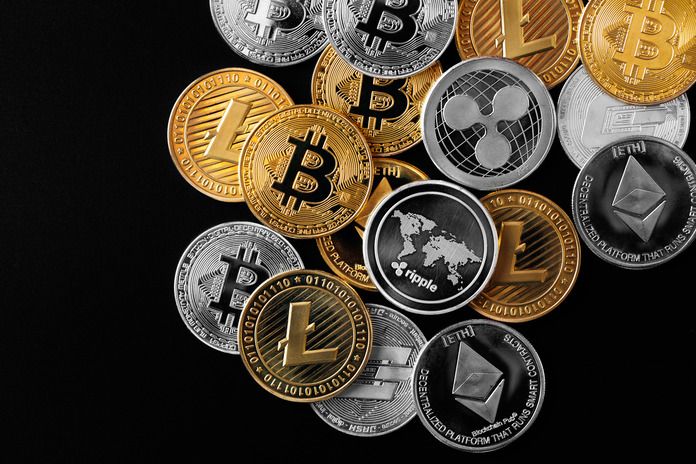
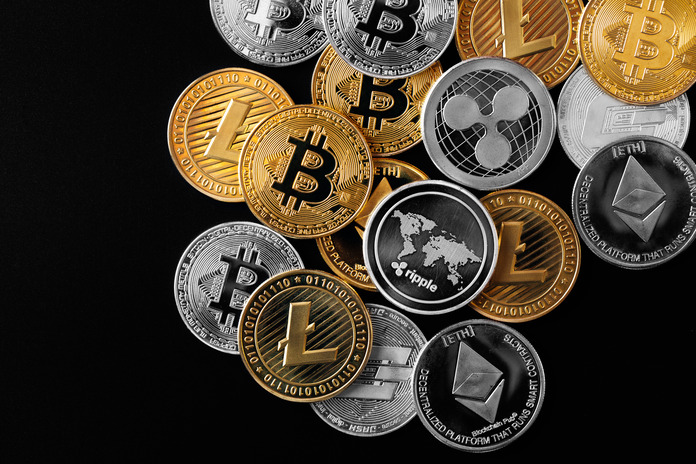
The cryptocurrency market has surged to new highs, with Bitcoin (CRYPTO:BTC) crossing the $120,000 milestone and Ethereum (CRYPTO:ETH) soaring 80% in just one month. This rally has been closely tied to U.S. policy shifts under former President Donald Trump, whose recent executive actions and geopolitical engagements have injected renewed confidence into digital assets. The focus of Bitcoin news today is how political developments and institutional adoption are reshaping the market’s trajectory.

Trump’s Policies Drive Market Optimism

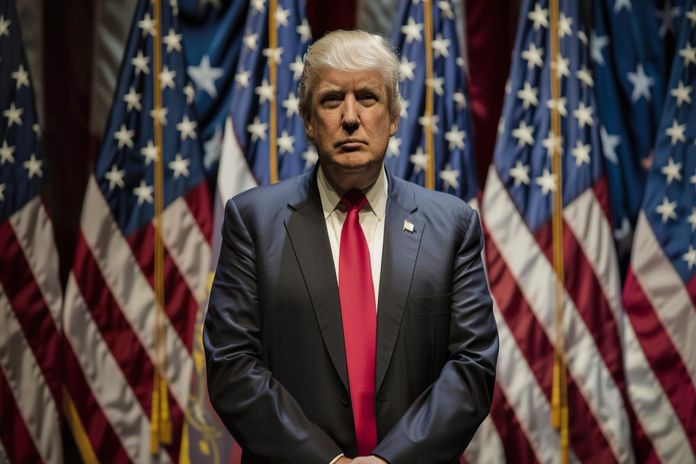
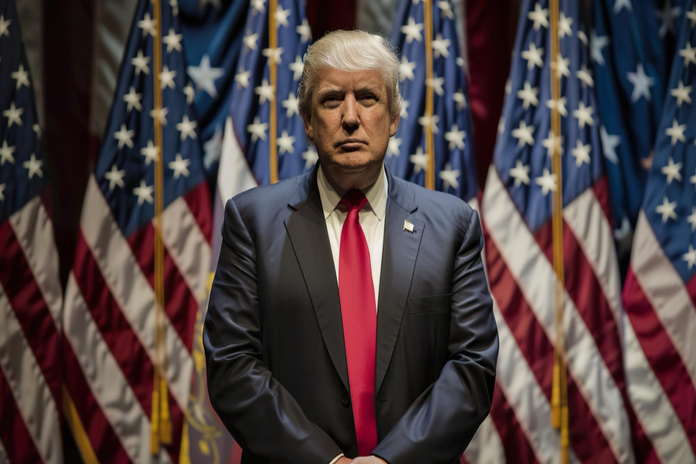
Trump’s administration has taken a series of steps that have reinforced the growing role of cryptocurrencies in the U.S. economy. Earlier this year, he signed legislation to establish a strategic crypto reserve, positioning U.S. Bitcoin holdings at more than $24 billion. This move signaled unprecedented institutional support for digital assets.

On August 3, Trump followed with an executive order permitting cryptocurrencies and private equity investments in retirement and institutional portfolios. This marked a significant regulatory shift toward alternative assets, fueling the bullish momentum dominating Bitcoin news today.

Bitcoin Hits $120K Amid Institutional Demand

The centerpiece of the rally is Bitcoin’s climb past $120,000, a record high that reflects heightened investor demand and institutional adoption. Analysts point out that Trump’s engagement with global leaders on economic and geopolitical issues has helped ease broader market concerns, indirectly boosting appetite for risk assets like cryptocurrencies.

This surge in demand suggests that Bitcoin is increasingly viewed as more than a speculative asset — it is becoming part of the institutional financial system. With corporate treasuries and pension funds exploring allocations, the Bitcoin news today narrative is one of mainstream integration.

Ethereum’s 80% Surge and Profit-Taking Strategy

Ethereum has also delivered a powerful rally, climbing 80% in a matter of weeks. This move has caught the attention of advisors such as Michael Poppe, who has urged investors to exercise caution. Poppe recommends profit-taking during sharp rallies and waiting for pullbacks to re-enter the market, a strategy that resonates amid heightened volatility.

At the same time, on-chain data reveals that entities linked to Trump — including World Liberty Financial — have been accumulating Ethereum during recent dips. This activity has injected speculative energy into the market, making Ethereum a central player in Bitcoin news today and highlighting its evolving role in institutional portfolios.

SEI Coin Expands Its Ecosystem

Beyond Bitcoin and Ethereum, SEI Coin has also made headlines. With support from Sei Labs, SEI has integrated Monaco into its network, expanding its ecosystem and raising expectations for real-world asset (RWA) integration. Currently trading near its local highs, analysts are closely watching whether SEI can surpass the $0.39 level to confirm its bullish trajectory.

The expansion of SEI Coin reflects a broader trend: crypto projects are increasingly looking beyond speculation, focusing instead on infrastructure and utility. This development underscores the diverse nature of Bitcoin news today, which now spans established giants like BTC and ETH as well as emerging ecosystem tokens.

Stablecoins Gain Ground in Corporate Treasuries

Another significant trend is the rise of stablecoins as a cornerstone of wealth management strategies. Corporate treasuries have begun adopting stablecoins for liquidity management and cross-border payments, signaling a maturing market structure. This shift, combined with Trump’s supportive policies, reinforces the idea that digital assets are transitioning from speculative instruments to institutional building blocks.

Investor Takeaway

The key takeaway from Bitcoin news today is that political developments, particularly Trump’s executive actions, are driving a new phase of crypto adoption. Bitcoin’s record high, Ethereum’s dramatic surge, and the expanding role of stablecoins and ecosystem tokens all point to a rapidly evolving market.

Still, investors must remain cautious. Volatility remains high, and while institutional adoption provides a strong foundation, profit-taking strategies and risk management will be essential in navigating the next phase of crypto’s growth.

Featured Image: Freepik

Please See Disclaimer

Mutuum Finance (MUTM) Surges While Dogecoin (DOGE) Struggles

This post was originally published on this site

As Dogecoin (DOGE) faces mounting skepticism over reaching the $1 mark, investors are pivoting toward Mutuum Finance (MUTM). Currently in its phase 6 presale, the token is priced at $0.035, offering early buyers potential gains exceeding 400% in the coming months. So far, the presale has raised over $14.4 million, attracting more than 15,220 holders. While DOGE continues to make headlines, analysts see a broader mix of DeFi and smart-contract projects gaining momentum, and Mutuum Finance is at the forefront.


Dogecoin Falls Short Amid Broader Market Shifts

Dogecoin (DOGE) is trading around $0.236, holding modest gains despite widespread hype. Analysts warn that its fundamentals may not support the $1 target projected for 2025. Meme coin enthusiasm is cooling, prompting investors to explore alternatives like Mutuum Finance (MUTM), which is building real utility and security into its platform.


Mutuum Finance Phase 6 Presale Is Heating Up

The Mutuum Finance (MUTM) presale is gaining attention from retail and institutional investors alike. Phase 6 is priced at $0.035 and has already raised $14.4 million. Stage 7 will increase the price to $0.04, highlighting the advantage of early participation. The platform’s dual-lending system and upcoming USD-pegged stablecoin offer practical applications beyond speculative gains.


Strong Security Features With Bug Bounty Program

Mutuum Finance is emphasizing trust and security with a Bug Bounty Program sponsored by CertiK, offering a $50,000 USDT reward. The four-tiered program addresses critical, major, minor, and low-level vulnerabilities, further establishing confidence in the platform’s infrastructure. Security remains a major differentiator in the crowded DeFi space, setting MUTM apart from speculative tokens like DOGE.


Investor Incentives: $100K Giveaway

To cultivate a dedicated community, Mutuum Finance launched a $100,000 token giveaway. Ten winners will each receive $10,000 in MUTM, available for new investors participating in the presale. Initiatives like this signal the platform’s commitment to long-term growth and investor engagement.


Dual-Lending Model Offers Flexibility

Mutuum Finance provides two lending models for user convenience: Peer-to-Contract and Peer-to-Peer. Peer-to-Contract uses self-executing smart contracts to operate automatically, while Peer-to-Peer eliminates intermediaries, enabling direct interaction between lenders and borrowers. Combined, these systems maximize efficiency and flexibility in decentralized finance.


Stablecoin Launch Enhances Security and Stability

MUTM is launching a USD-pegged stablecoin on the Ethereum blockchain, designed to reduce volatility while offering a secure investment vehicle. This stablecoin will complement its dual-lending platform and further enhance the appeal for conservative investors seeking low-risk exposure in the crypto ecosystem.


Why Investors Are Watching Mutuum Finance

While Dogecoin (DOGE) continues to capture media attention, reaching $1 remains increasingly unrealistic. Mutuum Finance (MUTM) is quietly gaining traction, with over 15,220 holders and robust security, a $100K giveaway, and a 95 CertiK trust score. Early-phase entry offers potential upside, with Stage 7 presale pricing set to increase.

Mutuum Finance represents a growing DeFi project that combines practical utility, strong security, and community engagement. For investors seeking opportunities beyond speculative tokens, MUTM presale could be an attractive addition to a diversified crypto portfolio.

Investors considering Mutuum Finance (MUTM) should also note the timing advantage of entering during the presale. Early participation allows buyers to benefit from lower pricing before the token progresses to subsequent phases, where each stage incrementally increases the cost. With a growing number of token holders, community engagement is strengthening, and liquidity is becoming more robust. The dual-lending system, combined with the upcoming USD-pegged stablecoin, positions MUTM as a practical, long-term player in decentralized finance. While speculative coins like Dogecoin (DOGE) may generate temporary hype, Mutuum Finance offers tangible utility, transparent governance, and security-focused infrastructure that could drive adoption and sustainable growth in the months and years ahead.

Featured Image: Freepik 

Please See Disclaimer

CryptoAppsy Launches Real-Time Crypto Tracking App

This post was originally published on this site

CryptoAppsy, a newly launched mobile application, is making waves in the cryptocurrency world by offering real-time market tracking and automated portfolio management. Available on iOS and Android platforms, CryptoAppsy provides investors with instant insights into price movements for major cryptocurrencies like Bitcoin (BTC-USD) and emerging altcoins, helping users stay ahead in a volatile market.

Real-Time Market Tracking Made Simple

One of the standout features of CryptoAppsy is its real-time price tracking system. The app aggregates data from global exchanges and updates prices almost instantly, allowing investors to make informed decisions without delays. Whether you’re a novice trader or a seasoned investor, CryptoAppsy ensures that you have access to timely information to capitalize on market trends and potential arbitrage opportunities.

Automated Portfolio Management for All Traders

CryptoAppsy also offers a dynamic portfolio management system. Once users input their digital holdings, the app continuously updates portfolio values based on current market rates. This automated system provides a clear picture of gains and losses, eliminating the need for manual tracking. Users can also set customizable price alerts to monitor specific assets, ensuring they remain aligned with their trading strategies without constant screen monitoring.

Curated Crypto News for Smarter Decisions

In addition to portfolio tools, CryptoAppsy includes a multilingual curated news feed. Edited by financial professionals, the feed ensures accuracy and relevance while filtering out unreliable social media speculation. Investors can focus on news about Bitcoin (BTC-USD), Ethereum (ETH-USD), and other digital assets that matter most to their portfolios. This combination of news, price tracking, and portfolio management creates a comprehensive crypto ecosystem within a single app.

Zero Friction Philosophy for Ease of Use

The app follows a “Zero Friction” design philosophy, emphasizing seamless navigation and intuitive user experience. CryptoAppsy eliminates barriers like registration requirements, making it accessible to anyone with a smartphone. Investors can download the app for free from the App Store or Google Play and begin tracking their favorite cryptocurrencies immediately.

Democratizing Access to Crypto Data

CryptoAppsy represents the broader trend of democratizing financial tools for retail investors. By providing real-time insights and professional-grade portfolio management in an accessible format, the app levels the playing field in cryptocurrency investing. Users can react quickly to market shifts, make data-driven decisions, and manage their assets more efficiently than ever before.

Navigating the Future of Cryptocurrency

The launch of CryptoAppsy comes at a time when the crypto market is expanding rapidly and regulatory scrutiny is increasing globally. Investors are seeking reliable, transparent tools that allow them to navigate this fast-paced environment. By combining real-time data, automated portfolio management, and curated news, CryptoAppsy addresses these needs and positions itself as a vital resource for both newcomers and experienced traders.

As cryptocurrency adoption continues to grow, apps like CryptoAppsy are likely to play a critical role in shaping investor behavior. By providing accurate, timely information and user-centric tools, CryptoAppsy empowers investors to make smarter decisions, manage risk effectively, and capitalize on opportunities in a highly dynamic market.

Why CryptoAppsy Stands Out

Unlike many other crypto apps that require registration or limit functionality behind paywalls, CryptoAppsy offers full access without barriers. Its combination of real-time tracking, automated portfolio updates, and curated news makes it a one-stop platform for crypto enthusiasts. Furthermore, the app’s intuitive interface and multilingual support make it accessible to users worldwide. For investors seeking a reliable, comprehensive, and easy-to-use tool to navigate volatile crypto markets, CryptoAppsy delivers a uniquely powerful solution that could redefine how digital assets are managed on mobile devices. It not only tracks prices and portfolios but also educates users with insights, helping both beginners and experts optimize their crypto strategies.

Featured Image: Freepik

Please See Disclaimer

Cardano ETF Rumors Spark ADA Surge, XRP Drops

This post was originally published on this site

While most cryptocurrencies followed Bitcoin’s downward trend this week, Cardano ETF rumors have given ADA a rare boost. The coin surged 3.59% to $0.909, making it one of the top performers in the top 100 by market cap. The rally coincided with the discovery of a “Grayscale Cardano Trust ETF” registration on Delaware’s state website.

Although Grayscale has not confirmed the filing, the potential for an ADA-focused ETF has fueled strong buying momentum. An ETF could open the door for institutional investors, improve liquidity, and provide Cardano with broader exposure in traditional financial markets.

Why the Market Is Struggling

July’s Producer Price Index (PPI) rose 0.9% month-over-month and 3.3% year-over-year—well above expectations. The inflation surprise has dampened hopes for near-term Federal Reserve rate cuts, leading to a broad selloff in risk assets. The global crypto market cap dropped 3.01% to $3.99 trillion, with Bitcoin down 3.9% and Ethereum down 3.3%. XRP (XRP-USD) took a heavier hit, falling 6% to $3.07.

Cardano’s Bullish Technical Setup

The Cardano ETF rumors come on top of strong technical indicators for ADA:

  • Relative Strength Index (RSI): At 69, ADA is nearing overbought territory but still shows healthy momentum.

  • Average Directional Index (ADX): At 27, this signals a confirmed trend.

  • Golden Cross Formation: The 50-day EMA is above the 200-day EMA, a historically bullish sign.

Immediate support is at $0.86, while resistance lies at the psychological $1.00 level. A breakout could push ADA toward $1.20, based on Fibonacci extensions.

XRP Struggles Despite Strong Trend Signals

XRP’s selloff to $3.07 appears more tied to inflation fears than fundamental weakness. Technical indicators suggest a correction rather than a reversal:

  • RSI: At 50, XRP is in neutral territory, offering a potential “accumulation zone” for traders.

  • ADX: At 30, the trend remains intact despite volatility.

  • EMA Spread: The bullish 50-200 EMA alignment continues to hold, acting as a cushion during pullbacks.

Immediate support stands at $2.95, with resistance at $3.24 and a stronger barrier at $3.39.

Institutional Momentum in Crypto Markets

Beyond the Cardano ETF rumors, the institutional side of crypto continues to heat up. Ark Invest, led by Cathie Wood, bought over 2.5 million shares of crypto exchange Bullish (NYSE:BLSH) during its IPO, valued at $177 million. Bullish operates both a crypto exchange and owns CoinDesk, with shares tripling from the $37 offering price on debut.

Ark also holds:

  • Over $1.5 billion in Coinbase (NASDAQ:COIN) and Robinhood (NASDAQ:HOOD) shares

  • $17 million in eToro (ETOR) shares

  • More than $2 billion in its Bitcoin ETF (ARKB)

Bullish’s successful IPO mirrors the strong debut of USDC stablecoin issuer Circle (NYSE:CRCL) earlier this year. Other exchanges like Gemini and OKX are exploring IPOs, signaling that the bridge between crypto and traditional markets is strengthening.

Outlook

If the Cardano ETF rumors prove true, ADA could see a sustained rally fueled by institutional demand. For XRP, market sentiment hinges on inflation data and Federal Reserve policy shifts. With institutional investments in crypto assets rising, both tokens could benefit from increased liquidity and mainstream adoption in the months ahead.

Looking ahead, market sentiment toward these companies will likely depend on broader economic conditions, sector-specific developments, and their ability to execute strategic initiatives effectively. Investors should continue monitoring quarterly earnings reports, product launches, and industry trends for signals of sustained growth potential. In particular, companies with strong balance sheets and diversified revenue streams may be better positioned to weather market volatility and capitalize on emerging opportunities. While no investment is without risk, keeping a disciplined approach and staying informed can help investors navigate uncertainty, seize favorable market conditions, and potentially enhance their long-term portfolio performance.

Featured Image: Freepik @ freepik

Please See Disclaimer

Citigroup Crypto Custody Plans Gain Momentum

This post was originally published on this site

Citigroup Inc. (NYSE:C), one of the largest U.S. banks with approximately $2.5 trillion in assets under management, is reportedly preparing to enter the digital asset space with crypto custody services. This move would position the bank alongside major industry players like Coinbase Global Inc. (NASDAQ:COIN) in safeguarding digital assets for institutional clients. The initiative is bolstered by regulatory clarity under the Donald Trump administration, which has encouraged traditional financial institutions to explore blockchain-based offerings.

Stablecoin and ETF Custody in Focus

According to a Reuters report, Biswarup Chatterjee, Citigroup’s global head of partnerships and innovation for the services division, confirmed that the bank is evaluating the potential to provide custody services for stablecoins backed by high-quality reserves. This would ensure secure storage of the assets that underpin these digital tokens, a critical factor for institutional adoption.

Citigroup is also exploring custody services for cryptocurrency exchange-traded funds (ETFs), including those tracking Bitcoin and Ethereum. The strategy mirrors the role Coinbase currently plays as custodian for roughly 80% of U.S.-listed crypto ETFs. Notably, BlackRock Inc.’s (NYSE:BLK) iShares Bitcoin Trust (IBIT), the largest Bitcoin ETF, manages over $90 billion in assets, requiring an equivalent amount of digital currency to be held in secure custody.

If Citigroup enters this market, it could become a key custodian for a growing number of digital asset investment products, adding a significant layer of credibility for institutional investors still cautious about crypto.

Stablecoins for Faster Payments

Citigroup crypto custody ambitions are tied closely to the bank’s broader interest in stablecoins. The bank is assessing how stablecoins can accelerate payment processing compared to traditional banking rails, which often take multiple days to settle transactions.

In earlier reports, Citigroup was said to be considering launching its own stablecoin—similar to JPMorgan Chase & Co.’s (NYSE:JPM) JPM Coin and initiatives from Bank of America Corp. (NYSE:BAC). The bank already offers tokenized U.S. dollar payments, enabling instant transfers between accounts worldwide via blockchain.

Chatterjee explained that upcoming services could allow clients to send stablecoins between accounts or instantly convert them into fiat currency for real-time payments. This could significantly improve cross-border transaction efficiency and reduce reliance on outdated settlement systems.

Compliance and Security Considerations

Citigroup has emphasized that compliance and operational security will be top priorities in any crypto custody offering. Before accepting assets, the bank intends to verify their legitimacy and ensure they have not been involved in illicit activity. Cybersecurity measures will also be strengthened to protect against theft and unauthorized access, a critical step in building trust with institutional clients.

This focus mirrors recent moves by other banking giants. Ripple Labs’ partnership with BNY Mellon (NYSE:BK) will see the latter custody the dollar reserves for Ripple’s RLUSD stablecoin, highlighting how custody services are becoming an integral part of stablecoin ecosystems.

TradFi’s Expanding Role in Digital Assets

Citigroup’s exploration of crypto custody services underscores a broader shift in traditional finance (TradFi). Major institutions like JPMorgan and PNC Financial Services Group Inc. (NYSE:PNC) have already partnered with Coinbase to offer crypto services, while JPMorgan is also planning crypto-backed loans.

For Citigroup, entering the crypto custody space is both a competitive and strategic move. By providing secure storage for stablecoins and crypto ETFs, the bank could establish itself as a trusted intermediary for digital assets—bridging the gap between blockchain innovation and mainstream finance.

Bottom Line

Citigroup crypto custody plans signal a major step toward mainstream adoption of blockchain-based financial products. By combining its global banking infrastructure with cutting-edge digital asset services, Citigroup aims to compete with established crypto custodians while offering faster, blockchain-enabled payment solutions. However, success will depend on navigating regulatory requirements, ensuring robust security, and convincing cautious institutions to embrace digital asset integration.

Featured Image: Freepik

Please See Disclaimer

Do Kwon Fraud Plea Shocks Crypto Investors

This post was originally published on this site

South Korean cryptocurrency mogul Do Kwon has pleaded guilty to fraud charges linked to the $40-billion collapse of his crypto empire. The 33-year-old co-founder of Terraform Labs entered the plea Tuesday in Manhattan federal court, signaling the start of a high-profile legal chapter for the embattled entrepreneur.

The charges stem from Kwon’s role in promoting TerraUSD, a so-called “stablecoin,” and its floating counterpart, Luna. The May 2022 crash wiped out nearly $40 billion in investor assets, sparking outrage across global markets. Kwon’s plea includes one count of conspiring to commit commodities fraud, securities fraud, and wire fraud, as well as a second count of wire fraud.

Terms of Kwon’s Guilty Plea

Under a plea agreement with federal prosecutors, Kwon faces a maximum prison term of 12 years, a significant reduction from the 25 years recommended under federal sentencing guidelines. Sentencing is scheduled for December 11. In addition to incarceration, Kwon agreed to forfeit more than $19 million, which authorities said reflects proceeds obtained through deceptive practices.

“This plea demonstrates Kwon’s acknowledgment of responsibility for misleading the Terra community,” said his lawyer, Sean Hecker. The legal resolution also includes relinquishing Kwon’s interest in Terraform Labs and its cryptocurrency holdings, further marking the collapse of his once-promising enterprise.

The Collapse of Terraform and TerraUSD

Terraform Labs, co-founded by Kwon in 2018, had promoted TerraUSD as a “stable” cryptocurrency pegged to the U.S. dollar to minimize volatility. In reality, TerraUSD’s value collapsed, dragging down its sister currency Luna and erasing billions in market value for investors worldwide.

U.S. Attorney Jay Clayton described Kwon’s actions as “one of the largest frauds in history,” noting that the case exploited both technological hype and investment euphoria in the cryptocurrency space. The case serves as a cautionary tale for investors in high-risk crypto assets, highlighting the importance of transparency and regulatory oversight.

Global Impact and Extradition

Kwon’s legal troubles intensified after his arrest on March 23, 2023, in Europe while traveling under a false passport. He was subsequently extradited from Montenegro to the United States on December 31, where he has been held pending trial. The global nature of the Terraform collapse underscores the widespread vulnerabilities in unregulated cryptocurrency markets, affecting retail and institutional investors alike.

Investor Takeaways

The Do Kwon fraud case illustrates the risks inherent in digital assets, especially those marketed as “stable” or low-risk investments. Investors should exercise caution, conduct thorough due diligence, and monitor legal developments for potential ripple effects on the broader crypto market.

While Kwon’s plea resolves certain aspects of the criminal case, the financial fallout continues. Thousands of investors lost billions, and questions about the accountability of other crypto platforms remain unresolved. For those tracking cryptocurrency equities, such high-profile fraud cases reinforce the necessity of regulatory compliance and risk assessment.

Looking Ahead

As Kwon awaits sentencing, the case may set a precedent for how U.S. authorities handle international crypto fraud. Investors and regulators alike are watching closely, knowing that the outcome could influence the future of stablecoins and institutional participation in digital currencies.

The Do Kwon fraud plea represents a landmark moment in cryptocurrency enforcement, emphasizing that even global crypto figures are not beyond the reach of U.S. law.

Featured Image: Freepik

Please See Disclaimer

Bullish IPO Surges in NYSE Debut

This post was originally published on this site

Crypto exchange Bullish (NYSE:BLSH) stunned investors as its IPO more than doubled on debut. The company, backed by Peter Thiel and led by former NYSE President Tom Farley, priced the Bullish IPO at $37 per share. Trading opened at $90 and spiked to around $102.44 before a temporary halt, reflecting overwhelming demand.

Institutional Interest Drives Bullish IPO

Farley emphasized that the institutional wave in crypto is underway. “The last leg of growth in crypto was basically all retail,” he told CNBC, “the institutional wave has begun, and it’s here.” With strong reception from investors, the Bullish IPO marks a pivotal moment for institutional adoption of cryptocurrency trading platforms.

Bullish is structured to blend decentralized finance protocols with the security of a centralized exchange, appealing specifically to professional traders. The company’s Cayman Islands headquarters have not deterred major U.S. institutional interest.

Bullish Platform Growth and Market Reach

Since launching in 2021, Bullish has processed over $1.25 trillion in trading volume. Beyond trading, the company owns CoinDesk, a leading crypto news and analytics platform, giving it a significant foothold in market intelligence and media influence within the crypto ecosystem.

The Bullish IPO comes amid a growing wave of cryptocurrency companies going public in the U.S., often after earlier moves in Canada or private markets. For example, Circle (NYSE:CIRCLE) raised over $1 billion in June, and Galaxy Digital transitioned to Nasdaq (NASDAQ:GLXY) from Toronto. Other crypto ventures, including BitGo and Gemini, are preparing for U.S. listings, signaling sustained investor appetite.

Bullish IPO Valuation and Investor Sentiment

The IPO’s pricing at $37 per share valued the company at $5.4 billion pre-trading. Analysts initially expected a range of $32–$33, with earlier indications between $28–$31. Opening at $90 represents a massive 143% jump, reflecting investor confidence in the platform’s long-term prospects.

Industry observers note that Bullish’s focus on institutional traders differentiates it from competitors that primarily target retail investors. By emphasizing security, compliance, and advanced trading features, Bullish positions itself as a key player in the evolving crypto ecosystem.

Implications for Crypto Investors

The success of the Bullish IPO underscores a larger trend: mainstream investors are increasingly treating cryptocurrency platforms as serious, regulated investment vehicles. For those holding or considering stakes in crypto-related equities, BLSH’s debut may signal strong growth potential.

However, the market remains sensitive to regulatory developments and shifts in sentiment. As Farley highlighted, the institutional wave is just beginning. Investors should monitor adoption trends, trading volumes, and any changes in U.S. financial policy that could affect crypto exchanges.

Looking Ahead

Bullish’s NYSE debut demonstrates the evolving dynamics of crypto finance and the appetite for institutional-grade platforms. With a strong start in the public markets, Bullish is poised to play a pivotal role in bridging decentralized finance and traditional investment frameworks.

The Bullish IPO success story highlights the broader maturation of crypto markets, signaling that institutional investors are increasingly confident in this high-growth sector.


Additionally, investors should consider market volatility, regulatory trends, and adoption rates when evaluating crypto exchange stocks like BLSH for potential inclusion in diversified portfolios.

Featured Image:  Freepik © ruslan_ivantsov

Please See Disclaimer

July CPI Data Could Spark Major Crypto Sell-Off

This post was originally published on this site

July’s U.S. Consumer Price Index (CPI) data has stirred up strong debate among crypto analysts, with many warning that the report could trigger a massive sell-off in the cryptocurrency markets. The mixed inflation signals from the July CPI readings are making investors anxious about the Federal Reserve’s next move and its impact on crypto assets like Bitcoin (BTC).

July CPI Data: Mixed Signals Create Uncertainty

The headline CPI in July rose 2.7% year-over-year, slightly below the anticipated 2.8% increase forecasted by economists. This “cooler” inflation figure gave crypto bulls hope for a potential Federal Reserve interest rate cut in September, which generally boosts risk assets including Bitcoin.

However, the core CPI, which excludes volatile food and energy prices and is closely monitored by the Fed, increased by 3.1%, slightly surpassing the 3.0% estimate. This suggests that underlying inflationary pressures remain persistent and could complicate the Fed’s decision-making process.

This split inflation data leaves investors in a quandary. While lower headline CPI might support looser monetary policy, the elevated core CPI warns of sticky inflation that may force the Fed to maintain or even raise rates longer than expected.

How CPI Influences Crypto Markets

Interest rates and inflation data are critical drivers for cryptocurrencies, which tend to perform well in environments of low rates and moderate inflation. Lower interest rates reduce the opportunity cost of holding non-yielding assets like Bitcoin, thereby attracting more investment.

Crypto Key Opinion Leader Fefe Demeny commented, “If CPI comes in cooler, a rate cut is confirmed for September,” underscoring the potential positive impact of low inflation data on crypto prices.

Conversely, crypto analyst Benjamin Cowen described a CPI reading near 2.9% as “somewhat neutral” but warned that any higher reading could spark a market sell-off.

Potential for Bitcoin Correction if CPI Surprises

Derivatives exchange Bitunix’s analysts warn that a hotter-than-expected CPI could push Bitcoin prices below $117,000, triggering a deeper correction phase. This would reflect investor fears that the Fed might postpone rate cuts or even hike rates, hurting risk assets.

Despite these concerns, Bitcoin showed resilience. Data from Bitfinex indicates that Bitcoin bounced back from an August low near $112,000 to a trading floor around $115,800, buoyed by $769 million of inflows into Bitcoin ETFs over three days. This suggests strong institutional support and confidence in the market’s long-term outlook.

Market Activity Around CPI Release

Before the CPI data release, Bitcoin (BTC) was trading around $118,468.96, down roughly 1.76% over the prior 24 hours, with trading volumes declining nearly 12%. Following the report, Bitcoin experienced a modest 1% price uptick, climbing to $119,110.83, according to Kraken exchange data.

This price movement indicates that while the market is sensitive to inflation data, investors are cautiously optimistic. Around 70% of short-term Bitcoin holders remain profitable, which slows down the urge to take profits and limits extreme volatility.

What’s Next for Crypto Investors?

The July CPI data underscores the fragile balance in the market between inflation fears and hopes for easing monetary policy. Investors should be prepared for potential volatility in cryptocurrencies as markets digest future economic data and Fed signals.

With the Federal Reserve’s September meeting approaching, crypto markets will likely remain highly reactive to any new inflation figures and policy announcements. Traders and investors should monitor CPI updates closely, as they will heavily influence the trajectory of Bitcoin (BTC) and other digital assets in the coming months.

Featured Image: depositphotos @ monsit

Disclaimer

Understanding Operation Chokepoint and Its Impact on Crypto

This post was originally published on this site

Operation Chokepoint became widely known during the Biden administration as a regulatory effort aimed at restricting the cryptocurrency industry. This initiative sought to isolate crypto firms by cutting their access to the banking system, severely limiting their ability to operate. Donald Trump, recognizing the damaging effects, promised to shut down Operation Chokepoint and has since taken concrete steps to do so.

What Was Operation Chokepoint?

Operation Chokepoint was an orchestrated move by government regulators to pressure banks into cutting ties with crypto businesses. In 2023, venture capitalist Nic Carter revealed that this was a coordinated effort to marginalize the crypto industry in the U.S. Regulators effectively urged banks to refuse services to crypto firms, which significantly hindered their operations.

Founders such as Tyler Winklevoss, Roman Storm, and Jesse Powell have confirmed that they and their companies were affected. Elon Musk also disclosed that about 30 tech founders were secretly debanked as part of this operation.

Banks that refused to comply with these regulatory pressures, like Silvergate, Signature, and Silicon Valley Bank, found themselves targeted. Silvergate, once a key crypto-friendly bank, voluntarily liquidated despite being solvent because regulators no longer allowed it to serve crypto clients.

Nic Carter emphasized that the shutdown of Silvergate was not due to financial instability but was a direct result of Operation Chokepoint. He highlighted that regulators had the power to “capriciously” end the business of firms under their watch, illustrating the risks of politicized oversight.

Interestingly, Operation Chokepoint’s reach extended beyond crypto. Donald Trump revealed in an interview that major banks like JPMorgan and Bank of America had rejected his deposits, making him personally aware of these politicized banking practices.

Donald Trump’s Move to End Operation Chokepoint

As president, Donald Trump took action to reverse the effects of Operation Chokepoint. He signed an executive order that mandates fair and equal banking access for all Americans, explicitly condemning Operation Chokepoint as an example of undue regulatory influence leading to unlawful banking restrictions.

The order directs federal banking regulators to remove references to “reputation risk” or similar concepts from their regulatory guidance. This move aims to prevent regulators from using vague criteria to justify politically motivated debanking.

Regulators must implement these changes within 180 days of the order, reinforcing the administration’s commitment to restoring a fair banking environment.

Prior to this, the Federal Reserve had already announced the end of reputational risk oversight, signaling alignment with Trump’s executive order.

Why Operation Chokepoint Matters to Crypto and Beyond

Operation Chokepoint serves as a cautionary tale about how regulatory overreach can stifle innovation and unfairly target emerging industries like crypto. By cutting off banking access, regulators created barriers to growth and contributed to instability within the crypto ecosystem.

Donald Trump’s executive order not only restores banking fairness for crypto companies but also protects all sectors from politicized debanking.

The crypto industry now stands on stronger footing with renewed access to banking services, allowing firms to operate more freely and innovate without fear of arbitrary shutdowns.

Looking Ahead

With Operation Chokepoint officially ended, the crypto industry and other affected sectors can expect more equitable treatment from banks and regulators. This development may lead to increased investment, innovation, and broader adoption of cryptocurrencies and blockchain technologies.

This development may lead to increased investment, innovation, and broader adoption of cryptocurrencies and blockchain technologies. It also sets a precedent for safeguarding financial services from political interference, fostering a healthier economic environment.

Moving forward, stakeholders across the financial and tech industries will be watching closely to ensure these regulatory reforms are fully implemented and sustained. The end of Operation Chokepoint could mark a turning point, encouraging more startups and established firms alike to pursue innovation with greater confidence and stability.

Featured Image: Freepik

Please See Disclaimer

Space Tourism Crypto Payments Lift Off with Blue Origin

This post was originally published on this site

The space tourism crypto payments era has arrived. Jeff Bezos’s Blue Origin has teamed up with Shift4 Payments to allow customers to purchase tickets for its New Shepard spaceflights using cryptocurrencies and stablecoins.

According to a Monday press release, passengers can now pay in Bitcoin (BTC-USD), Ether (ETH-USD), Solana (SOL-USD), Tether (USDT-USD), and USD Coin (USDC-USD). Blue Origin, which has flown over 75 passengers beyond the Kármán Line — the recognized boundary between Earth’s atmosphere and outer space — will accept direct payments from popular crypto wallets like MetaMask and Coinbase.

Shift4 CEO Taylor Lauber said the company was “thrilled” to extend its vision of revolutionizing commerce beyond Earth. Alex Wilson, Shift4’s head of crypto, added that digital assets and stablecoins are poised to become a preferred payment method for high-end purchases like space travel.

NFTs and Blockchain Already in Orbit

The fusion of blockchain technology and space travel isn’t entirely new. In 2022, NFT project Azuki made headlines when it sent its “Bobu the Bean Farmer” character to space aboard a SpaceX/NASA mission, blending the worlds of digital collectibles and frontier exploration.

Blockchain infrastructure projects have also been taking root in orbit. In 2020, Spacechain executed what it called the first multisignature Bitcoin transaction from the International Space Station, proving that blockchain transactions can be conducted entirely off-planet.

More recently, in December 2024, Spacecoin XYZ launched its first satellite to begin developing an orbital blockchain network. The initiative aims to create a multi-tiered blockchain system anchored in space to support decentralized applications and future extraterrestrial economies.

Stratospheric Connectivity Through Blockchain Networks

Blockchain-powered aerospace innovation is also impacting Earth’s skies. Telecom startup World Mobile is deploying a 5G network using hydrogen-powered drones flying at 60,000 feet, delivering wireless connectivity over 15,000 square kilometers.

Developed in partnership with Indonesian telecom company Protelindo, the network integrates with World Mobile’s decentralized physical infrastructure network (DePIN), combining traditional telecom systems with independently operated nodes. The result: ultra-low latency of around six milliseconds and costs reportedly up to 18 times lower per gigabyte than satellite alternatives.

This hybrid approach could revolutionize connectivity in underserved regions while maintaining the decentralized ethos of blockchain technology.

Tron Founder’s $28 Million Blue Origin Flight

Blue Origin’s relationship with the crypto community extends beyond payments. On August 3, 2024, blockchain entrepreneur Justin Sun, founder of Tron (TRX-USD), flew aboard the NS-34 mission from West Texas. Sun had secured his seat in a 2021 auction for $28 million, joining five other passengers on the suborbital journey.

The ticket proceeds were donated to 19 space-related charities, supporting educational programs in science, technology, engineering, art, and mathematics (STEAM). After the flight, Sun remarked on the fragility of Earth, stressing the importance of protecting our planet for future generations.

Space Tourism Crypto Payments: A New Frontier for Payments and Exploration

The acceptance of cryptocurrency and stablecoin payments for space tourism represents a pivotal moment in both industries. For the crypto sector, it signals mainstream adoption in one of humanity’s most aspirational experiences. For space tourism, it expands access to a growing base of digital asset holders eager to convert virtual wealth into tangible adventures.

With blockchain already making its mark in space — from NFT launches to orbital transaction networks — the partnership between Blue Origin and Shift4 could accelerate the integration of decentralized technology into aerospace and tourism. As more companies adopt crypto-friendly payment systems, the boundary between Earth’s financial systems and outer space exploration will continue to blur.

And as the space tourism crypto payments trend gains momentum, future travelers might not just carry their wallets to the stars — they’ll bring their digital wallets too, turning cryptocurrency into the universal currency for the final frontier.

Featured Image: depositphotos @ zoomteam

Disclaimer

Compare