Author: Stephanie Bedard-Chateauneuf

Bitcoin Price Surge Hits $120K on Fed Bets and Trump Support

This post was originally published on this site

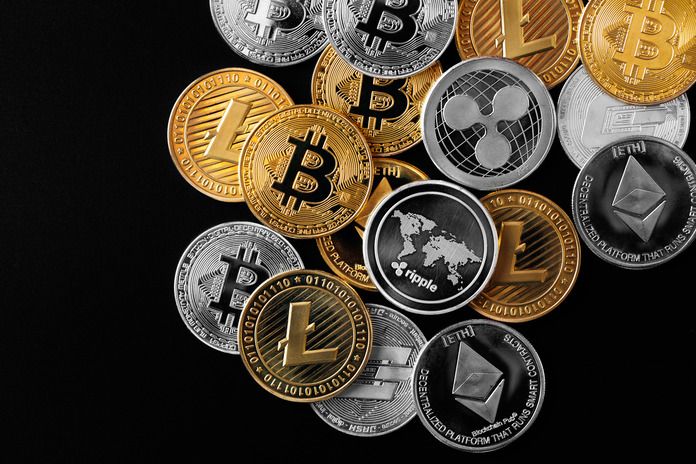
The Bitcoin price surge continued on Monday, with Bitcoin (BTC-USD) hitting $122,000 before settling around $120,000. The rally reflects a potent mix of investor optimism, favorable policy signals from the Trump administration, and growing institutional adoption.

The cryptocurrency market’s momentum accelerated following President Trump’s nomination of Stephen Miran to the Federal Reserve’s Board of Governors and an executive order paving the way for 401(k) retirement plans to include crypto investments. This policy shift could make digital assets more accessible to millions of retirement savers.

At the same time, inflows into Bitcoin-focused exchange-traded funds (ETFs) have reached record levels, and more public companies are adding Bitcoin to their balance sheets as part of a long-term diversification strategy.

Ethereum Joins the Rally

Bitcoin wasn’t alone in benefiting from bullish sentiment. Ethereum (ETH-USD), the second-largest cryptocurrency by market capitalization, reached price levels not seen since 2021. Ethereum has surged roughly 190% since April’s market lows, as companies increasingly view it as a strategic asset tied to decentralized finance (DeFi) and blockchain infrastructure.

Institutional players are not just betting on price appreciation — they are also investing in Ethereum for its role in powering digital assets like stablecoins and NFTs. This dual appeal of technology and investment potential continues to strengthen Ethereum’s position in the market.

Macro Tailwinds: Fed Rate Cuts and Monetary Policy Shifts

The Bitcoin price surge has also been fueled by macroeconomic expectations. Investors anticipate the Federal Reserve will begin cutting interest rates in September. Lower rates tend to make risk assets like cryptocurrencies more attractive, as borrowing costs decline and liquidity increases.

According to Sean Farrell, head of digital asset strategy at Fundstrat, “If the Fed is cutting into an economy that is still growing, with unemployment in check and inflation elevated, that is a macro cocktail that should favor allocation to crypto.”

Stephen Miran, Trump’s nominee for the Fed board, has historically supported a weaker U.S. dollar policy — a stance that typically benefits commodities, equities, and crypto assets. Such a policy shift could help sustain higher Bitcoin prices over the longer term.

Regulatory Tailwinds from Washington

Policy changes under the Trump administration have provided a clear boost to crypto markets. Last week’s executive order directing the Department of Labor to explore allowing cryptocurrencies in 401(k) retirement plans marked a significant milestone.

This move would integrate crypto into the traditional retirement system, potentially unlocking billions in fresh investment capital. Trump’s public and private endorsements of Bitcoin, as well as remarks from Eric Trump urging investors not to “bet against BTC and ETH,” have further reinforced market confidence.

Short-Term Froth, Long-Term Potential

While some analysts caution that the market may be overheated in the short term, many believe the Bitcoin price surge reflects deeper structural changes. Tom Essaye, founder of Sevens Report Research, observed, “The administration is pushing crypto. They are pushing Bitcoin. Bitcoin is the lead dog in the crypto market… longer term, there are some fundamental changes here that I think are bullish for it and will send it much higher in the future.”

If institutional adoption continues to accelerate, and regulatory conditions remain favorable, Bitcoin could see sustained growth beyond the current rally. For now, both Bitcoin and Ethereum’s gains highlight the powerful combination of policy support, macroeconomic shifts, and technological relevance driving the digital asset market forward. And with more traditional investors beginning to view Bitcoin as a legitimate hedge against inflation and currency risk, the foundations for continued expansion appear stronger than ever — setting the stage for potential new all-time highs in the months ahead.

Featured Image: Freepik

Please See Disclaimer

Rollblock Crypto Gains as Dogecoin Slows Down

This post was originally published on this site

As Dogecoin (DOGEUSD) cools off, a newer Ethereum-based altcoin is commanding serious attention. Rollblock crypto (RBLK), a GameFi project built on utility and user rewards, is quickly emerging as one of 2025’s top contenders. While meme coin hype lingers around Dogecoin, Rollblock’s working product, deflationary model, and surging presale raise eyebrows—and capital.


What Is Rollblock Crypto?

Rollblock crypto is the native token powering Rollblock, a fully functional Web3 gaming platform. Built on the Ethereum blockchain, the platform hosts over 12,000 live games ranging from blackjack and poker to slot machines and sports prediction leagues. Every transaction—every bet, spin, and payout—is verified on-chain, ensuring transparency and fairness in the $500 billion online gaming industry.

RBLK isn’t just a speculative asset. It offers real-world utility and weekly crypto rewards through a deflationary system involving buybacks, staking, and token burns. Already, more than $15 million in wagers have been processed, and the platform is fully licensed under Gaming Anjouan and audited by SolidProof.

Unlike most meme tokens, Rollblock crypto is delivering value from day one.


Institutional Investors Are Getting In

In a space often flooded with vaporware, Rollblock stands out for its credibility and performance. Its presale has already raised over $11.4 million, and over 82% of its token supply has been claimed. The project has attracted attention from crypto influencers and early-stage venture capital, driven by mechanics designed to reward long-term holders.

Every week:

  • 30% of platform revenue is used to buy back RBLK

  • 60% of those tokens are burned, reducing total supply

  • 40% is distributed to stakers with APYs up to 30%

Add fiat on-ramping (Visa, Google Pay, Apple Pay) and capped supply—only 1 billion tokens exist—and Rollblock becomes one of the most strategically designed assets in 2025.


Dogecoin: Waiting for a Comeback

Meanwhile, Dogecoin (DOGEUSD) is showing signs of dormancy. The popular meme coin is down 6% over the past 7 days, currently hovering at $0.210. While Dogecoin’s massive following keeps sentiment alive, momentum indicators like RSI and MACD remain neutral, suggesting investors are waiting for a catalyst.

As @David_kml tweeted:
“The dog is quiet, but not asleep… When DOGE wakes up, the market will hear it.”

Dogecoin’s simplicity, cultural power, and historical significance can’t be ignored, but unlike Rollblock crypto, it lacks real utility and continues to be inflationary—with over 143 billion tokens in circulation and no maximum supply cap.


Head-to-Head: Rollblock vs Dogecoin

Token Price Market Cap Supply Revenue Share Deflationary
Rollblock $0.068 Micro Cap 1 Billion Yes (30% Weekly) Yes (60% Burn)
Dogecoin $0.210 Large Cap 143 Billion+ No No (Inflationary)

One coin is making noise, the other is making money.


Is Rollblock Crypto the Better Buy?

For investors hunting for high-upside altcoins during the 2025 bull run, Rollblock crypto checks all the boxes. It’s already delivering utility through a licensed gaming platform, it offers real staking rewards, and it has a deflationary token model backed by platform revenues—not just hype.

With exchange listings on the horizon and a hard presale close in 54 days, RBLK has a clear path to breakout performance. And with a current price of just $0.068, it remains accessible for retail and institutional players alike.

Dogecoin’s next move may still surprise markets, but in the meantime, Rollblock crypto is already on the move—and it’s not slowing down.

Featured Image: Freepik 

Please See Disclaimer

BNB Crypto Near Highs: Buy or Wait for a Pullback?

This post was originally published on this site

The BNB crypto (BNBUSD), native to the Binance ecosystem, has re-entered the spotlight in 2025. Following a muted 2024 performance, BNB has finally edged out a new all-time high — but it still trails behind major peers like Bitcoin (BTCUSD) and Ethereum (ETHUSD). Now investors are asking: is BNB crypto a smart buy at these elevated levels, or is it safer to wait for a pullback?


What Is BNB Crypto?

BNB is the utility token powering the Binance Smart Chain and Binance Exchange, the largest crypto exchange by volume worldwide. It’s one of the few tokens in the digital asset space with true utility: it’s used for trading fee discounts, transaction fees, smart contracts, and more.

As the Binance ecosystem expands, BNB crypto continues to play a central role in powering that growth. Despite this, its price action in 2024 remained relatively subdued, delivering only modest returns as Bitcoin soared ahead.

Year-to-date, Bitcoin is up 25%, Ethereum 20%, and BNB lags with an 11% gain — until now.


BNB Gets a Boost From Corporate Adoption

One of the biggest catalysts for BNB crypto recently was the unexpected pivot by CEA Industries. The Nasdaq-listed firm (formerly trading under ticker VAPE) announced it would rebrand to BNB Network Company (BNC) and center its corporate treasury strategy around holding BNB.

The company secured a $500 million private placement to support this strategy, attracting heavyweight investors like Pantera Capital, Arche Capital, Exodus Point, and Blockchain.com. Cantor Fitzgerald acted as the lead financial advisor and placement agent.

This move positions the newly named BNB Network Company as a corporate giant among BNB holders — comparable to MicroStrategy’s (NASDAQ:MSTR) Bitcoin strategy. After the announcement, BNB surged to a new all-time high above $860 per coin.


Network Upgrades Drive Utility and Adoption

While corporate interest helps with price momentum, technical upgrades are what give BNB crypto lasting power.

In 2025, BNB Chain has significantly upgraded its infrastructure:

  • Block time was reduced to 0.75 seconds

  • Average transaction fees now sit near $0.01

  • Daily volume hit 17.6 million transactions last month

The auto-burn mechanism also completed its 32nd burn cycle, removing 1.59 million BNB from circulation — a deflationary move that tightens supply.

U.S.-listed companies are taking notice. Windtree Therapeutics (NASDAQ:WINT) plans to allocate up to $520 million in BNB, while Nano Labs (NASDAQ:NA) aims to hold up to 10% of circulating supply, with purchases projected to exceed $1 billion.

These moves signal growing institutional confidence in BNB’s future — not just as a tradeable asset, but as a core reserve holding.


Technical Outlook: Can BNB Break $1,000?

From a technical perspective, BNB crypto recently broke above its 20-day moving average and has turned it into a new support level. That’s a bullish sign, but near-term resistance remains near $800 to $808.

If a broader altseason materializes — where alternative cryptocurrencies rally behind Bitcoin’s strength — BNB is well-positioned to ride that wave. Analysts and traders see $1,000 as a key psychological level that BNB could realistically test this cycle.


Should You Buy BNB Crypto Now?

With institutional adoption rising, upgrades boosting utility, and the altcoin market heating up, BNB crypto appears to be on solid footing. While it’s trading near record highs, the long-term trajectory suggests more upside — especially if the market enters full risk-on mode.

That said, investors concerned about near-term resistance may choose to wait for a pullback before entering. But for long-term holders, accumulating at current levels could still prove rewarding.

In short: BNB may not be the fastest horse in the race, but it remains one of the most fundamentally sound cryptos out there — and a prime contender for gains in the next crypto cycle.

Featured Image:  Freepik © ruslan_ivantsov

Please See Disclaimer

Why Crypto Tax Reporting Matters More Than Ever

This post was originally published on this site

With digital assets becoming more mainstream, crypto tax reporting is no longer optional or obscure. As regulations tighten for the 2025 tax year, anyone who buys, sells, trades, or earns cryptocurrency must understand how these transactions are taxed—or risk hefty penalties from the IRS.

Recent IRS actions and regulatory changes mean crypto tax reporting will be a top priority in 2026 filings. Form 1099-DA, wallet-level tracking, and enhanced scrutiny over DeFi and staking activities are raising the stakes for crypto investors across the board.


Cryptocurrencies Are Taxable by Default

A common misconception among newer investors is that crypto isn’t taxed because it’s “decentralized.” According to tax attorney and CPA Chad Cummings, that assumption is wrong. All digital asset transactions are subject to the Internal Revenue Code. That includes transactions even if the crypto remains in a wallet or was never converted to fiat currency.

If you’ve traded or spent crypto in 2025, crypto tax reporting obligations apply.


Know When You’ll Be Taxed

Not every crypto action triggers taxes. Simply buying and holding a cryptocurrency does not create a taxable event. However, you’ll need to report capital gains or losses when:

  • You sell cryptocurrency for fiat

  • You trade one crypto for another

  • You use crypto to buy goods or services

  • You receive crypto for work or services rendered

Each of these actions requires you to calculate gains or losses based on the fair market value of the crypto at the time of the transaction.


Crypto Income: What Must Be Reported

Income from crypto is not just from selling. Receiving digital assets through mining, staking, or airdrops also counts as income and must be reported the year it’s received. This income is taxed at ordinary income rates, and even unsolicited airdrops are taxable.

For example, if you received staking rewards on a platform like Coinbase (NASDAQ:COIN) or tokens through DeFi farming, these are considered gross income under IRS rules.


Tracking Cost Basis Is Essential

Another major aspect of crypto tax reporting is accurately tracking your cost basis—the amount you originally paid for your crypto, including fees. When crypto is transferred between platforms or wallets, cost basis can get lost if not documented correctly.

For example, if you bought Bitcoin (BTC-USD) on Robinhood (NASDAQ:HOOD) and later moved it to another wallet, make sure to record the original value to calculate capital gains or losses accurately.


IRS Will Track Exchanges and Wallets

Starting with the 2025 tax year, new rules will require crypto exchanges to issue Form 1099-DA to report transactions directly to the IRS. Wallet-level tracking is now a must. Mismatches between your tax filing and exchange data could trigger audits or penalties.

Nicholas Slettengren, founder of Count On Sheep, warns: “Forget flying under the radar. Everything from DeFi to staking is on their watchlist now.”


How to Deduct Losses and Avoid Fines

You can deduct realized crypto losses to offset gains—up to $1,500 for individuals or $3,000 for joint filers. But if you don’t have accurate records to back up those claims, deductions could be denied.

In serious cases, failure to comply with crypto tax rules can result in penalties of up to 40%, plus interest—or even criminal charges.


Use Crypto Tax Software or a Pro

Given the complexity of crypto tax reporting, using specialized tools like CoinLedger or Koinly is highly recommended. These platforms integrate with exchanges and wallets to help track trades, calculate gains, and generate tax forms.

For large or complex portfolios, working with a blockchain-savvy tax professional can reduce your audit risk significantly.


Final Word: Stay Ahead of the Curve

Crypto tax rules are no longer in a legal gray zone. With the IRS stepping up enforcement, proper crypto tax reporting isn’t just a good idea—it’s a necessity. Keeping detailed records, reporting every taxable event, and using the right tools will save you from major headaches come April 2026.

Featured Image:  Freepik © ruslan_ivantsov

Please See Disclaimer

Crypto Retirement Investments Get a Boost

This post was originally published on this site

A major shift in U.S. retirement planning is on the horizon—and crypto retirement investments may soon be at the center of it.

On Thursday, both cryptocurrencies and crypto-related stocks rallied in anticipation of a new executive order from President Donald Trump. The upcoming order aims to open 401(k) plans and other retirement accounts to alternative assets, including Bitcoin and private equity.

This marks a groundbreaking moment for crypto retirement investments, which have long been considered too speculative for traditional retirement vehicles.


Bitcoin and Crypto Stocks Surge on the News

Bitcoin (CRYPTO:BTC) soared above $116,000 on Thursday, climbing more than 1% intraday. Other major cryptocurrencies followed suit: Ether (CRYPTO:ETH) and XRP (CRYPTO:XRP) each gained over 4%.

Publicly traded crypto companies also rallied:

  • Coinbase (NASDAQ:COIN) jumped as much as 3%.

  • Robinhood (NASDAQ:HOOD) and MicroStrategy (NASDAQ:MSTR) gained over 1.5%.

The surge reflects investor enthusiasm over the potential for crypto retirement investments to become a mainstream option. If passed, Trump’s executive order could open trillions in retirement capital to digital assets.


What’s in the Executive Order?

President Trump is expected to direct the Securities and Exchange Commission (SEC) to facilitate the inclusion of alternative assets in retirement portfolios.

Traditionally, 401(k) accounts offer a limited range of investments, mostly mutual funds or index-based products. Trump’s move would signal a paradigm shift—allowing digital assets, private equity, and other alternatives to enter the mix.

The order builds on momentum from Congress’s “Crypto Week” in July, which included the passage of:

  • The GENIUS Act (now signed into law), creating a regulatory framework for stablecoins.

  • The Clarity Act, defining crypto regulation boundaries.

  • The Anti-CBDC Surveillance State Act, aimed at limiting Federal Reserve-issued digital currencies.

Together, these efforts point to growing federal support for a more open crypto retirement investment ecosystem.


Wall Street Giants Back the Plan

Large asset managers are also warming to the idea. Firms like BlackRock (NYSE:BLK) and KKR (NYSE:KKR) have expressed support for expanding retirement portfolios to include private and digital assets.

In a recent investor letter, BlackRock CEO Larry Fink emphasized that private assets like crypto and real estate can help lift long-term returns and protect investors during downturns.

“Private assets are legal, beneficial, and becoming more transparent,” Fink wrote.

Their support signals that the rise of crypto retirement investments isn’t just a retail trend—it’s being embraced at the institutional level.


Caution Still Advised

Not everyone is celebrating. Financial advisors and retirement experts have urged Americans to approach crypto retirement investments with caution.

Digital assets are still volatile, and some private investments lack the liquidity and transparency typical of traditional retirement products.

That said, many see the executive order as a step toward democratizing access to high-growth assets once reserved for the ultra-wealthy or institutional investors.


What It Means for Investors

If signed, Trump’s order could transform how Americans plan for retirement. While regulatory details are still forthcoming, it’s clear that crypto retirement investments are moving into the mainstream.

For long-term investors, this could mean:

  • More options in 401(k) plans.

  • Access to higher-growth assets (with higher risk).

  • Increased flexibility in retirement strategies.

With crypto markets still relatively young, today’s rally suggests investors are optimistic about the future of digital assets—not just as speculative tools, but as part of long-term wealth planning.

Featured Image:  Freepik © ojosujono96

Please see disclaimer

Corporate Ether Investments Surge in 2025

This post was originally published on this site

In the latest chapter of the digital asset revolution, corporate ether investments are emerging as a strategic play for small public companies looking to diversify and grow their balance sheets. Ethereum (ETH), the second-largest cryptocurrency by market cap, is gaining favor over Bitcoin as a more dynamic and functional store of value, thanks to its staking rewards and the decentralized finance (DeFi) ecosystem it powers.

According to a Reuters analysis of regulatory filings, publicly listed companies held at least 966,304 ether tokens as of the end of July 2025, representing nearly US$3.5 billion in value. That’s a massive leap from just under 116,000 ETH held at the end of 2024—an increase of more than 700%.

Why Ether is Replacing Bitcoin in Treasury Strategies

Ethereum offers advantages that Bitcoin lacks, particularly in utility and yield. While Bitcoin is primarily viewed as digital gold, ether powers a functional ecosystem and generates income through staking—a process that allows holders to lock their tokens to support the network and earn rewards.

Staking yields currently range between 3% and 4%, adding an active return component that appeals to companies seeking yield on idle capital.

“Ether balances growth potential with the legitimacy of a blue-chip asset,” said Sam Tabar, CEO of Bit Digital (NASDAQ:BTBT), which holds ETH on its balance sheet. “It’s institutional-grade, but still early enough in its adoption curve to benefit from future upside.”

Ether’s Appeal: Not Just a Store of Value

Ether isn’t just a speculative asset—it’s the backbone of decentralized finance. The Ethereum blockchain supports a range of financial applications including lending, trading, and stablecoins, which makes ether comparable to oil, as opposed to Bitcoin’s gold-like qualities.

“Holding ether is more like owning oil,” said Anthony Georgiades, general partner at Innovating Capital. “It’s the foundation of decentralized finance, not just a pure store of value.”

Caution in the Face of Hype

The market has reacted strongly to announcements of ether acquisitions. Shares of BitMine (OTC:BTMN), which is backed by Peter Thiel, soared 3,679%, while GameSquare Holdings (NASDAQ:GAME) jumped 123% following similar disclosures earlier this year.

But not everyone is convinced the gains are sustainable.

“The share price response has the hallmarks of the meme craze,” warned Dan Coatsworth, investment analyst at AJ Bell.

Indeed, ether’s volatility and the complexity of staking mechanisms present challenges for most corporate treasuries. Regulatory ambiguity also continues to cloud adoption.

Regulatory Gray Zones Remain a Barrier

Despite recent signals from the Securities and Exchange Commission (SEC) suggesting a softer stance on staking, legal uncertainties persist. Key questions remain unresolved:

  • Are staking rewards considered taxable income?

  • Should locked ETH be recorded as a liability or asset?

  • Could offering staking services make companies de facto custodians?

“Every staking reward could be landing in a compliance gray zone,” said Michael Ashley Schulman, partner and CIO at Running Point Capital Advisors.

For many CFOs, these unanswered questions are enough to limit exposure.

“Most CFOs would not swap liquid cash for ether,” said Anuj Karnik, managing director at Straitsberg, a Singapore-based treasury advisory firm. “It remains a niche tool best left to tech-forward treasuries.”

Still, Companies Double Down on Ether

Despite the risks, several firms are going all in. BitMine recently raised US$182 million through a stake sale to ARK Invest, led by Cathie Wood. GameSquare CEO Justin Kenna also confirmed the company is considering selling stock to increase its ether holdings.

While it may not yet be mainstream practice, corporate ether investments are undeniably on the rise—and could become a defining trend in treasury strategy for risk-tolerant, forward-looking firms in 2025 and beyond.

Featured Image: Freepik

Please See Disclaimer

Coinbase Embedded Wallets Beta Launches

This post was originally published on this site

Coinbase Global Inc. (NASDAQ:COIN) has taken a bold step forward in expanding its developer ecosystem with the launch of its beta for Coinbase Embedded Wallets. This strategic move aims to simplify crypto integration into third-party applications, while strengthening self-custody capabilities for users.

The Coinbase Embedded Wallets feature is a major component of the Coinbase Developer Platform (CDP), and could signal a major turning point for crypto application development.

What Are Coinbase Embedded Wallets?

At its core, Coinbase Embedded Wallets allow developers to integrate self-custodied crypto wallets directly into their apps through an API-powered interface. This eliminates the need for external browser extensions or complex wallet setup processes.

Instead of requiring users to manage private keys and seed phrases—often seen as a hurdle for crypto adoption—the embedded wallet system enables web2-style logins using email, SMS, or OAuth. These simplified onboarding methods drastically reduce friction, allowing non-technical users to create wallets in less than 200 milliseconds with a single command:

According to Coinbase’s blog post, this single command is enough to spin up a wallet tied to an email address, allowing developers to offer crypto functionality with minimal setup.

Coinbase Embedded Wallets Leverage TEE Security

Security is a cornerstone of the Coinbase Embedded Wallets initiative. The tool leverages the same infrastructure and security features as Coinbase’s flagship trading products, notably Trusted Execution Environments (TEEs).

TEEs isolate sensitive processes and store private keys in encrypted environments, adding a high level of protection without placing security burdens on the end user. Developers gain access to Coinbase’s mission-critical infrastructure, while retaining full control over user experience.

A unified API stack also powers advanced functionality such as:

  • Transfers and trades

  • Token balances

  • Staking and rewards

  • Cross-chain interactions

This infrastructure removes the heavy lifting for developers, allowing them to plug into Coinbase’s mature backend while building intuitive user interfaces.

Free Access Until September 30, 2025

To accelerate adoption of Coinbase Embedded Wallets, the company is offering free access for Onramp customers until September 30, 2025. This promotional window lowers the barrier for startups, web3 builders, and creators to experiment with the technology and integrate it into their products.

Coinbase is betting that this early-stage incentive will drive usage and help expand its developer base significantly—especially as blockchain adoption continues to grow across finance, gaming, and social platforms.

Use Cases: From DeFi to Creator Economy

The use cases for Coinbase Embedded Wallets span a wide range of industries. In its announcement, Coinbase highlighted potential applications in:

  • Remittance platforms for fast, cross-border payments

  • DeFi marketplaces for swapping and staking assets

  • B2B payroll systems handling tokenized compensation

  • Creator economy tools for tipping, donations, or rewards

  • Blockchain games with integrated wallet and token features

Early adopters like Zylu and Stablelink are already demonstrating real-world applications. Zylu, for instance, enables frictionless payments between countries, while Stablelink simplifies donation flows for nonprofits.

Coinbase’s Broader Strategy

The launch of Coinbase Embedded Wallets aligns with the company’s broader push into infrastructure-as-a-service for the crypto industry. As regulatory pressure grows on centralized exchanges, Coinbase is positioning itself not just as a trading platform, but as a foundational layer for web3 developers.

By offering tools like Embedded Wallets, Coinbase could begin competing with infrastructure providers such as Alchemy, WalletConnect, and even MetaMask. If successful, this beta could evolve into a new revenue stream while reinforcing Coinbase’s relevance in a rapidly evolving decentralized ecosystem.

Final Thoughts

The Coinbase Embedded Wallets beta represents a key inflection point for both Coinbase and the broader crypto development community. With simplified onboarding, powerful APIs, and top-tier security, the tool has the potential to radically lower barriers to blockchain adoption.

As Coinbase (NASDAQ:COIN) continues to pivot from consumer-facing exchange to full-service infrastructure provider, innovations like Embedded Wallets will be critical in maintaining its edge in the web3 race.

Featured Image: Freepik

Please See Disclaimer

Digital Asset Treasury Companies Face Growing Risks

This post was originally published on this site

Digital asset treasury companies (DATCOs) are on the rise, but their rapid expansion may be building systemic risk into the crypto ecosystem. A new report from Galaxy Digital, a leading crypto financial services firm, warns that these companies may be repeating dangerous patterns from history—patterns that could unravel the very market they’re helping to build.

DATCOs are public companies that use their equity capital to accumulate Bitcoin (BTC), Ethereum (ETH), and other digital assets. The model, made famous by MicroStrategy Inc. (NASDAQ:MSTR), is now being mimicked by a growing list of firms such as Metaplanet Inc. (TSE:3350) and SharpLink Gaming Ltd. (NASDAQ:SBET). Altogether, DATCOs now hold more than $100 billion in digital assets.

The Fragile Math Behind DATCOs

The financial structure of digital asset treasury companies relies on one crucial condition: that their stock price remains higher than the net asset value (NAV) of their holdings. As long as this equity premium exists, they can raise capital by issuing new shares, buy more crypto, and boost their NAV even further.

But if this premium evaporates—or worse, flips into a discount—the model breaks down. Galaxy compares this reflexive loop to the investment trust bubble of the 1920s, where speculative fever drove investors into highly leveraged entities like the Goldman Sachs Trading Corporation, which was essentially the MicroStrategy of its time. The bubble eventually burst with devastating consequences.

Galaxy warns that a similar speculative pathology could be at play today. “The playbook is clear, and capital is pouring in,” the report notes. “But this is part of the risk.”

A Crowded and Correlated Trade

If a handful of companies followed this strategy in isolation, the risks might be manageable. But Galaxy observes that “ten or so firms a week are now crowding into this trade.” These digital asset treasury companies are not only pursuing the same strategy—they’re highly correlated to one another and to the underlying crypto markets.

This creates a structurally fragile situation: if investor sentiment turns, crypto prices drop, or liquidity tightens, redemptions and stock buybacks could cascade across the sector. As companies begin selling off assets to support their stock prices or operations, it could create significant downward pressure on crypto prices, Galaxy said.

Even a halt in net accumulation could remove one of the strongest supports for Bitcoin this cycle—namely, the persistent buying from corporate treasuries.

Early Warning Signs and What Comes Next

The cracks are already showing. Some DATCOs are beginning to trade below their NAV, prompting stock buybacks to close the discount. One such example is Bitmine, which has secured board approval to repurchase up to $1 billion in shares.

Galaxy suggests this could lead to a new wave of consolidation in the sector. Premium-trading firms like MicroStrategy (NASDAQ:MSTR) may acquire smaller players trading at a discount, effectively buying Bitcoin at a reduced price using their own overvalued stock. But this only works as long as the acquiring firms themselves maintain that premium.

If sentiment shifts and premiums vanish, the DATCO model could collapse under its own weight.

Implications for the Broader Crypto Market

As digital asset treasury companies grow larger, their market impact intensifies. An unwind of this strategy could dampen institutional enthusiasm for crypto and slow inflows into crypto ETFs—a key channel for retail and professional investors alike.

Galaxy concludes that if this cycle ends in a mass unwind, it could “weaken the strongest tailwind crypto has had”: the normalization of digital assets on corporate balance sheets. Without that support, the crypto market may face a more volatile and uncertain future.

Crypto Exchange USA Growth: Gate Leads New Wave

This post was originally published on this site

The crypto exchange USA landscape is evolving rapidly in 2025, with established global players entering or reentering the American market. One of the latest platforms to join the fray is Gate.io, which has officially launched spot trading services in the United States. Founded in 2013 by Chinese scientist Lin Han, Gate has long been one of the world’s largest exchanges by trading pairs and volume. Its U.S. launch signals both renewed regulatory clarity and growing optimism about the American crypto sector.

Why Gate Is Betting on the U.S. Market

Gate’s move into the crypto exchange USA space comes as Washington begins to firm up its long-awaited digital asset framework. According to Gate, the decision to launch in the U.S. was motivated by “improved regulatory clarity.” The company plans to roll out crypto trading pairs first, with fiat on- and off-ramps and custodial wallet services to follow.

As of July 24, 2025, Gate supports more than 3,800 trading pairs—making it one of the most diverse crypto exchanges in the world. In just 24 hours, the platform saw $6.8 billion in spot trading volume, according to data from CoinMarketCap.

Gate’s leadership views the U.S. not only as a massive market, but also as a global hub for regulatory leadership, fintech innovation, and capital formation. The platform’s entry into the U.S. underscores a broader shift: international crypto exchanges are no longer avoiding the American market—they’re doubling down on it.

Legislation Brings Clarity to Crypto Exchanges

The crypto exchange USA trend has gained momentum in part due to a more favorable political climate. President Donald Trump recently declared his ambition to make the U.S. “the world capital of crypto,” a pledge that seems to be moving from rhetoric to policy.

Two proposed bills—the GENIUS Act and the CLARITY Act—aim to establish a consistent legal framework for crypto trading, lending, and asset custody. These efforts are attracting major global exchanges back to the United States.

For example, OKX reentered the market in April 2025 following a $505 million settlement with the U.S. Department of Justice. The company is also rumored to be eyeing an initial public offering (IPO) on an American exchange. Meanwhile, Binance.US has reportedly been preparing to restart services for U.S. customers after a turbulent regulatory period.

The American Crypto Market: A Global Giant

The crypto exchange USA space remains the largest globally. According to Chainalysis, between July 2023 and June 2024, U.S. crypto users received over $750 billion in digital assets, far outpacing the United Kingdom and Russia.

The adoption rate is also striking. A 2025 Security.org survey found that 28% of American adults, or around 65 million people, currently own cryptocurrency. Additionally, 14% of non-owners plan to make their first crypto purchase this year. Of those who already hold digital assets, 67% said they intend to buy more in 2025.

Bitcoin (BTC) remains the most widely held cryptocurrency, followed by Ethereum (ETH). These trends illustrate that U.S. investors remain deeply engaged in the market—making the country a prime target for global exchanges.

What’s Next for Gate and the Industry

With its U.S. launch, Gate joins a growing list of platforms eager to claim a piece of the world’s most active crypto economy. If legislative progress continues and consumer demand holds steady, the crypto exchange USA trend is likely to intensify.

Gate’s phased approach—starting with spot trading and expanding to fiat services and wallet infrastructure—reflects a strategic bid to gain trust in a historically cautious market. For retail investors and institutions alike, the return of major exchanges like Gate and OKX could signal a more mature and secure era for U.S. crypto trading.

As the industry navigates its next chapter, one thing is clear: the crypto exchange USA revival is no longer theoretical—it’s happening now.

Featured Image: Freepik

Please See Disclaimer

Ethereum ETFs Hit $21.8B in First Year of Trading

This post was originally published on this site

The rise of Ethereum ETFs marks a significant milestone in crypto’s march toward mainstream financial acceptance. A year after their Wall Street debut on July 23, 2024, nine U.S.-based Ethereum exchange-traded funds now collectively hold over 5.73 million ETH—equivalent to approximately $21.8 billion.

This growth reflects a sharp reversal from their early rocky start, when funds like Grayscale Ethereum Trust (OTC:ETHE) saw major outflows. Today, the narrative has flipped: institutional appetite for Ethereum is not only back—it’s booming.

From Early Outflows to Massive Inflows

Initially, Ethereum ETFs faced challenges. Grayscale’s ETHE, converting from a trust to an ETF, offloaded nearly $4.3 billion in ETH, sparking industry-wide outflows. Despite this rocky transition, ETHE remains the second-largest Ethereum ETF by holdings, showcasing the resilience of investor confidence.

Leading the pack is BlackRock’s Ethereum ETF (NASDAQ:ETHA), which holds a staggering 3,018,770 ETH, worth just over $11.47 billion. Since launch, ETHA has attracted $9.06 billion in net inflows—far surpassing its peers and underscoring BlackRock’s sway in the crypto investment market.

Grayscale’s ETHE follows with 1,129,021 ETH, valued at approximately $4.29 billion, while Fidelity’s Ethereum ETF (NYSE:FETH) rounds out the top three with 684,874 ETH worth around $2.6 billion.

Smaller Ethereum ETFs Add to the Surge

Beyond the top players, smaller funds are steadily contributing to the ETH accumulation. Grayscale’s Ethereum Mini Trust adds another 666,074 ETH ($2.53 billion), while Bitwise Ethereum ETF (NYSE:ETHW) holds 138,264 ETH ($525.8 million).

VanEck’s ETHV manages 56,748 ETH worth $215.8 million, and Franklin Templeton’s EZET ETF (NYSE:EZET) adds 20,122 ETH valued at $76.5 million.

Meanwhile, 21Shares’ CETH ETF and Invesco Galaxy’s QETH (NASDAQ:QETH) hold 10,491 ETH and 10,074 ETH respectively—valued at just under $40 million each. In total, the nine Ethereum ETFs now control 4.75% of ETH’s circulating supply, which currently sits at around 120.7 million coins.

Ethereum ETFs Fuel Broader Market Momentum

The recent surge in Ethereum ETF holdings is part of a larger trend: institutions and crypto firms are quietly stacking ETH. Publicly traded Bitmine Immersion Technologies (OTC:BMNR) holds 625,000 ETH, while Sharplink Gaming (NASDAQ:SBET) holds 449,276 ETH—further demonstrating the growing appetite for the asset outside the ETF space.

While these companies are not ETFs, they provide investors with indirect exposure to Ethereum, acting almost like crypto treasury proxies. As ETH gains institutional favor, its scarcity may increase, pushing prices higher and drawing even more interest from asset managers.

What’s Driving the Ethereum ETF Demand?

Several factors are fueling the renewed momentum in Ethereum ETFs:

  • Regulatory Clarity: The SEC’s recent greenlighting of ETH-based ETFs has provided confidence to institutional investors wary of unclear crypto policy.

  • Institutional Adoption: Firms like BlackRock, Fidelity, and VanEck lend credibility to Ethereum as an investable asset class.

  • ETH 2.0 and Staking: With Ethereum’s shift to proof-of-stake, ETH offers passive yield potential—making it attractive for long-term investors.

  • Macro Trends: In a high-inflation environment, crypto is once again being eyed as an alternative asset class with asymmetric upside.

Conclusion

In just one year, Ethereum ETFs have gone from a shaky launch to controlling nearly 5% of the ETH supply. With more than $21.8 billion in total assets under management, they’re becoming a crucial part of Ethereum’s market dynamics.

As traditional institutions deepen their involvement in the crypto space and more firms allocate ETH to their balance sheets, these ETFs are likely to serve as a barometer for broader Ethereum adoption—and possibly, long-term price appreciation.

Featured Image:  Freepik © fabrikasimf

Please See Disclaimer

Compare